

Uncategorized
Why Is My Cat Chattering or Grinding Its Teeth?

A cat chattering or grinding its teeth can look like two very different things depending on when it happens, and telling them apart matters more than most owners realize, since the two situations call for very different responses. A cat chattering or grinding its teeth at a bird through the window is usually just an…
Read MoreHow Often Do Dogs Need Professional Teeth Cleanings?
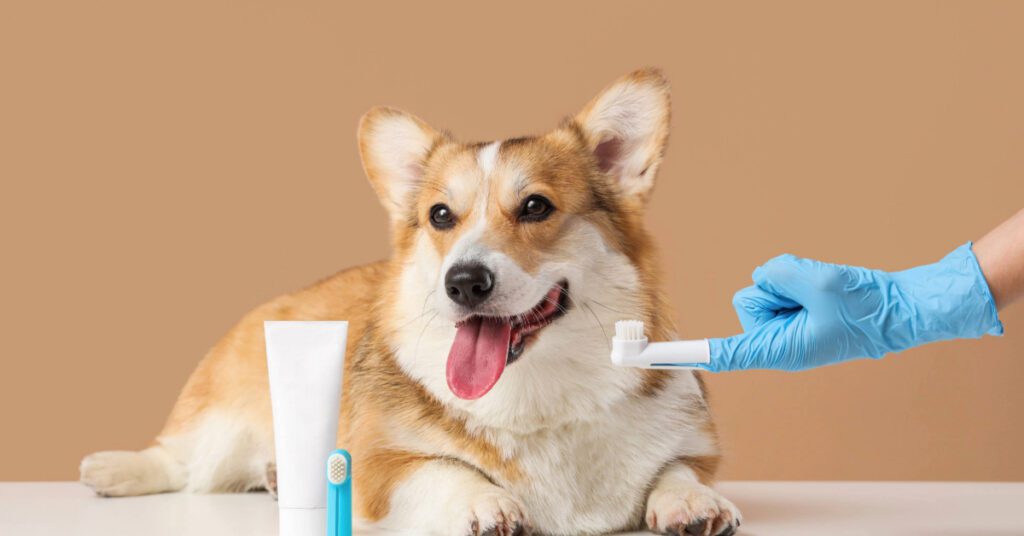
Most dogs need professional teeth cleaning about once a year, though the right interval depends on breed, age, and how well plaque is managed at home between visits. Dental disease is one of the most common health issues veterinarians see in dogs, and it often develops quietly, long before an owner notices bad breath or…
Read MoreThe Importance of Anesthesia During Pet Teeth Cleanings
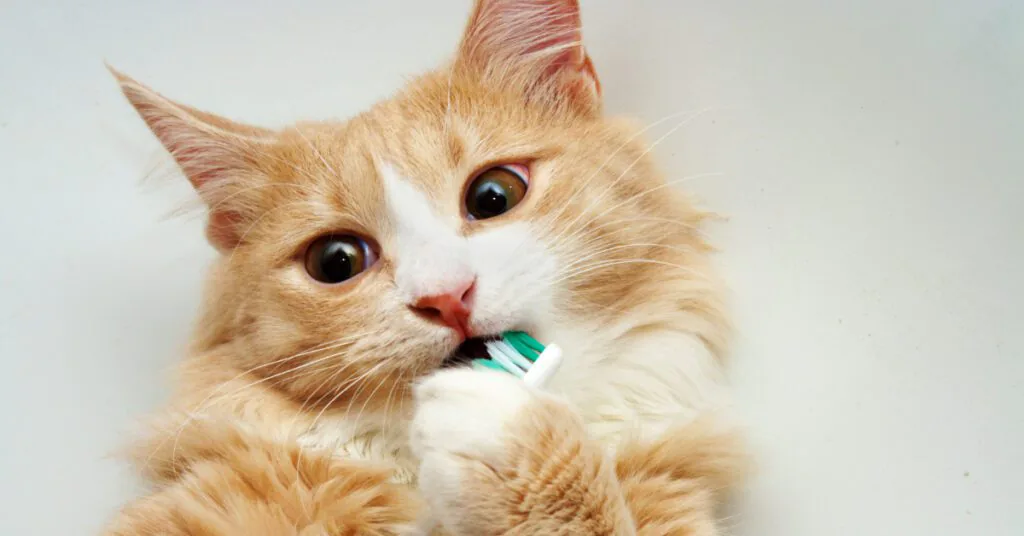
The importance of anesthesia during pet teeth cleanings is something many owners don’t fully appreciate until they understand what a proper dental cleaning actually involves. It’s tempting to assume a quick scrape of visible tartar accomplishes the same thing as a full professional cleaning, but the importance of anesthesia during pet teeth cleanings becomes clear…
Read MoreDog Tooth Abscesses: Signs, Treatment, and Recovery
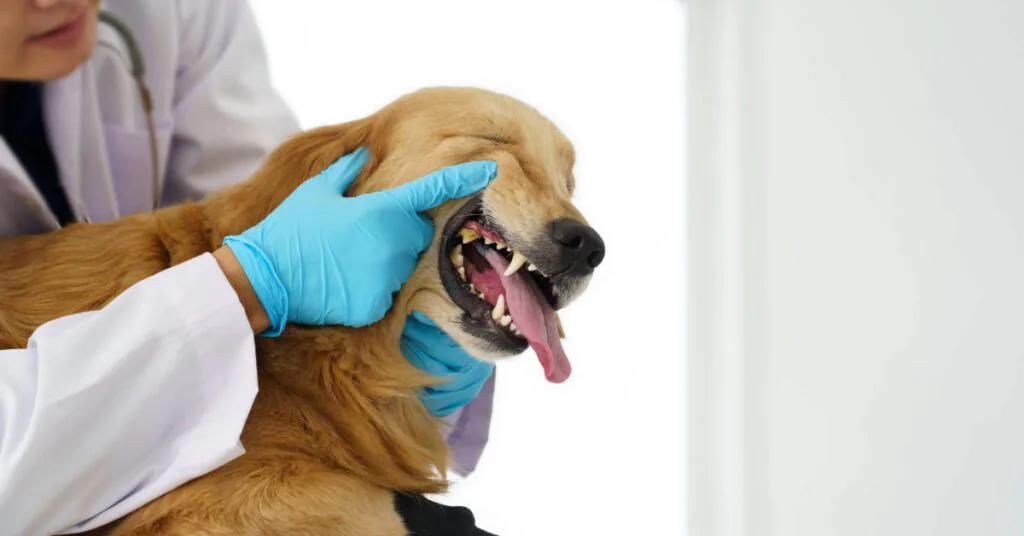
A dog tooth abscess is a painful, pus-filled infection that forms at the root of a tooth, and it will not heal on its own without veterinary treatment. If your dog is pawing at their face, refusing food, or has a swollen cheek, a dog tooth abscess is one of the most common culprits behind…
Read MoreWhat Happens During a Veterinary Dental Cleaning?
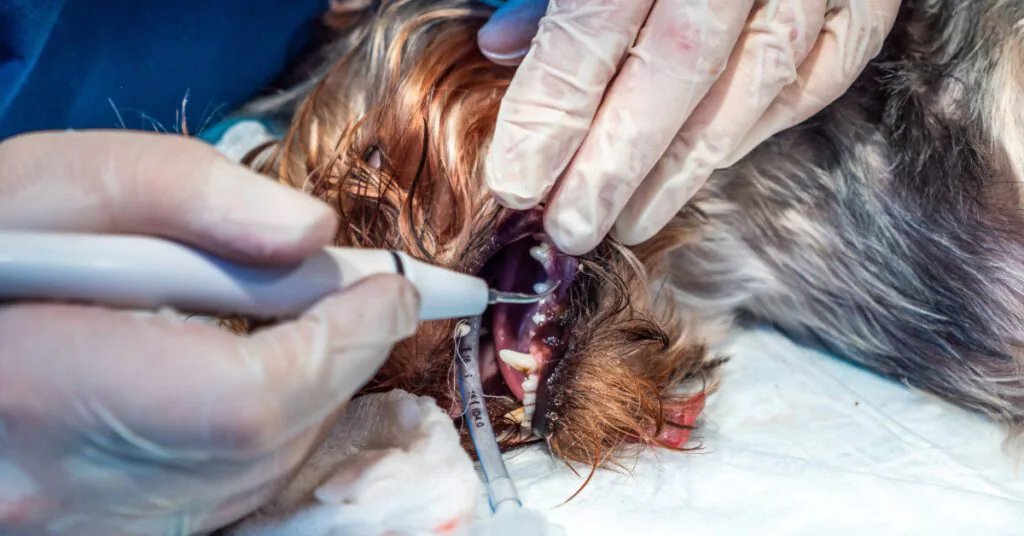
What happens during a veterinary dental cleaning is more involved than most pet owners expect, and it goes far beyond simply scraping tartar off visible teeth. At Partners Animal Hospital Asheville, every dental cleaning for dogs and cats includes anesthesia, a full oral exam, X-rays, and careful monitoring from start to finish. Understanding what happens…
Read MoreWhat Are the Early Signs of Dental Disease in Dogs?
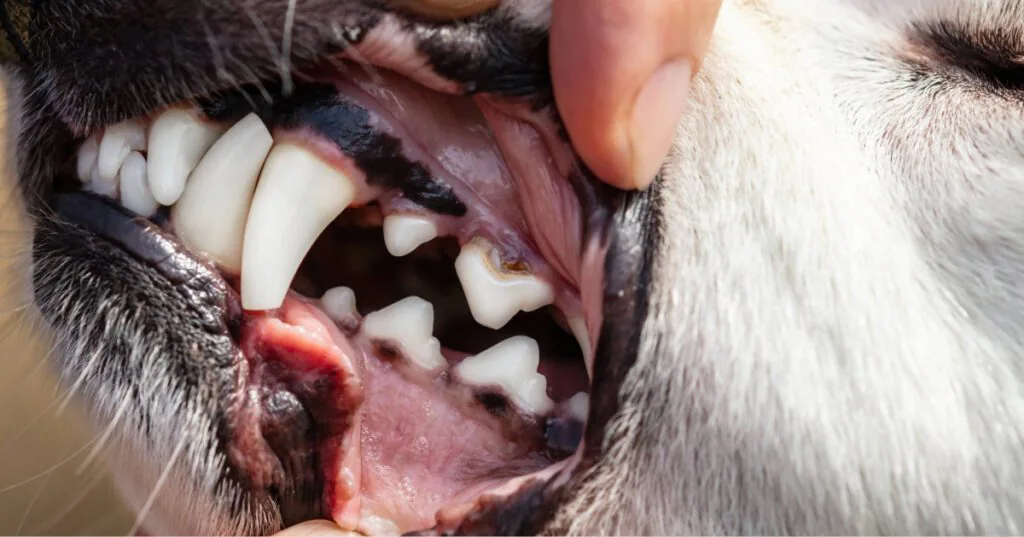
Your dog’s dinner bowl is empty just as fast as always, so surely everything’s fine, right? Not necessarily. The early signs of dental disease in dogs rarely announce themselves through a skipped meal. Instead, they show up in quieter details: a faint change in breath, a tooth that catches the light a little differently, a…
Read MoreWhat Are the Signs of Dental Disease in Cats?

A cat curled up asleep in a sunny window is the picture of contentment, but that same cat could be quietly nursing a mouth full of pain that never reaches the surface. Cats hide illness by instinct, a survival trait passed down long before couches and food bowls existed, and that instinct doesn’t switch off…
Read MoreWhat Happens if You Never Brush Your Dog’s Teeth?
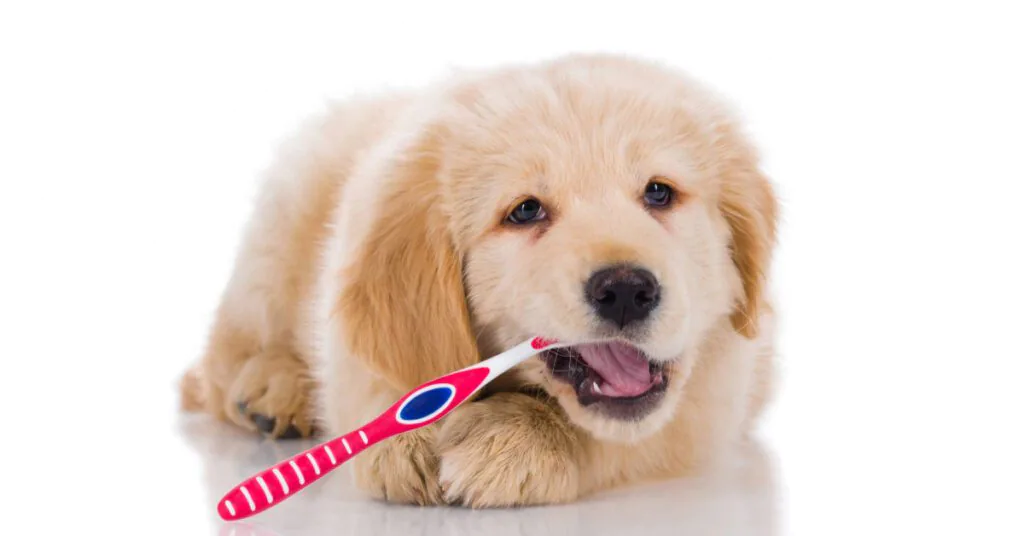
Skip the toothbrush for a week and nothing looks different. Skip it for months or years, and the consequences build up in ways most owners never expect. If you never brush your dog’s teeth at all, plaque hardens into tartar, gums become inflamed, and a dog’s mouth can end up in real pain long before…
Read MoreWhy Are My Dog’s Gums Bleeding?

You reach down to grab the rope toy after a rowdy game of tug, and there it is: a faint pink smear along one strand. Your first thought might be that your dog bit their cheek or caught a lip on something sharp. But dog’s gums bleeding, even in small amounts, usually isn’t the freak…
Read MoreWhy Does My Dog Have Loose Teeth?
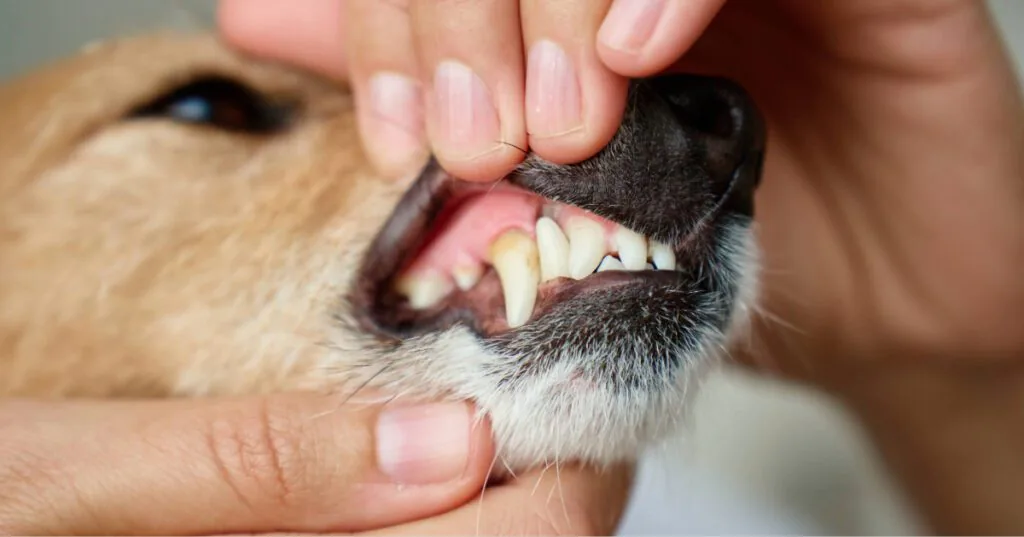
You’re mid-scratch behind your dog’s ears when your fingers brush against a tooth that shifts slightly under the pressure. Wait, is that supposed to move? In most cases, no. A dog has loose teeth almost always because periodontal disease has quietly eaten away at the bone and ligaments holding each tooth in place, not because…
Read More