

How Often Do Dogs Need Professional Teeth Cleanings?
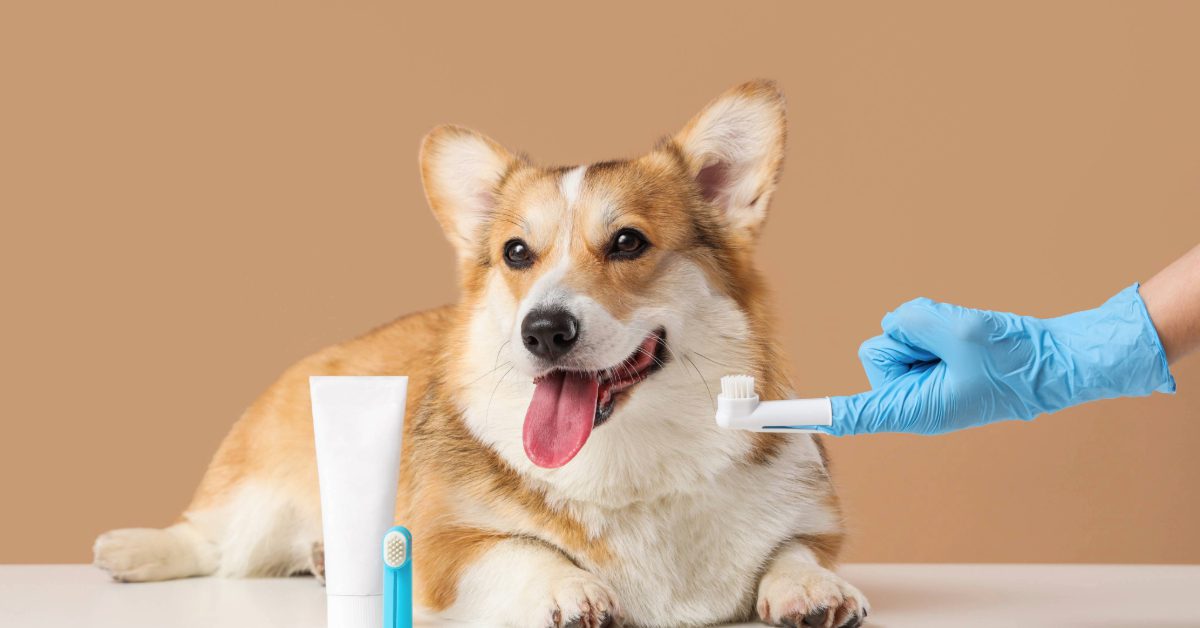
Most dogs need professional teeth cleaning about once a year, though the right interval depends on breed, age, and how well plaque is managed at home between visits. Dental disease is one of the most common health issues veterinarians see in dogs, and it often develops quietly, long before an owner notices bad breath or a change in eating habits. At Partners Animal Hospital Asheville, our veterinary team evaluates each dog’s mouth individually rather than applying a one-size-fits-all schedule, because dogs need professional teeth cleaning at different rates depending on their unique risk factors. Below, we’ll break down what determines how often dogs need professional teeth cleaning, whether home brushing can stretch out that timeline, and what tends to happen when cleanings are put off for too long.
What Factors Determine How Often a Dog Needs a Dental Cleaning?
There is no single answer to how often dogs need professional teeth cleaning, since a dog’s mouth is shaped by genetics, diet, chewing habits, and overall health. A veterinary exam remains the most reliable way to determine the right schedule for an individual dog, rather than relying on a generic yearly rule that may not fit every case. Understanding these variables is the first step toward figuring out how often dogs need professional teeth cleaning in your own household.
Breed and Mouth Size
Small and toy breeds, along with brachycephalic breeds like pugs and French bulldogs, tend to have crowded teeth that trap plaque more easily. These dogs often need professional teeth cleaning more frequently, sometimes annually or even more often, because their tooth spacing gives bacteria fewer places to be naturally dislodged during normal chewing. Larger breeds with more evenly spaced teeth may be able to go slightly longer between visits, though this still varies by individual dog, which is exactly why breed alone should never be the only factor used to decide how often dogs need professional teeth cleaning.
Age and Existing Dental Health
Younger dogs with clean, well-spaced teeth may only need professional teeth cleaning every one to two years if home care is consistent and their annual exams show minimal tartar. As dogs age, tartar accumulates more quickly and gum recession becomes more common, which usually shortens the recommended interval. Senior dogs frequently need professional teeth cleaning on a yearly basis to stay ahead of periodontal disease and to catch any loose or damaged teeth before they cause pain.
Diet and Chewing Behavior
What a dog eats and chews on daily also affects how often a cleaning is needed:
- Dogs fed primarily soft or canned food tend to accumulate plaque faster than dogs who also eat kibble or dental-specific diets
- Dogs who regularly chew on vet-approved dental chews or toys may naturally scrape away some plaque between cleanings
- Dogs with a habit of chewing very hard objects, like bones or antlers, face a higher risk of fractures that can accelerate the need for a cleaning
- Dogs with limited chewing activity, including some senior or toy breed dogs, often build up tartar more quickly without that natural abrasive action
Because these factors vary so widely, guessing at a schedule based on age or breed alone tends to backfire. A quick exam at Partners Animal Hospital Asheville gives owners a definitive answer instead, confirming the right interval based on what the mouth actually looks like rather than assumptions. A short exam today is a simple way to avoid guesswork about how often dogs need professional teeth cleaning going forward.
Can Regular Brushing Reduce How Often a Dog Needs Professional Cleaning?
Consistent brushing is one of the most effective ways to slow plaque buildup, and it can genuinely extend the time between professional cleanings for many dogs. It does not, however, eliminate the need for them entirely. Humans brush their teeth twice a day, yet still need dental cleanings every six months.
Why Brushing Helps but Isn’t Enough on Its Own
Brushing removes soft plaque before it hardens into tartar, which is the substance that ultimately requires professional removal. Dogs who are brushed several times a week typically need professional teeth cleaning less often than dogs who receive no home dental care at all. However, brushing cannot reach beneath the gumline, where much of the damage from periodontal disease actually occurs, so it works best as a supplement rather than a replacement for professional care.
Building an Effective At-Home Routine
A realistic, sustainable routine matters more than an ambitious one that gets abandoned after a few weeks:
- Aim for brushing three to four times per week using a dog-specific toothpaste, since human toothpaste can upset a dog’s stomach
- Introduce a toothbrush gradually with short sessions and plenty of positive reinforcement, especially for dogs who are new to the process
- Pair brushing with dental chews or water additives approved by your veterinarian for an added layer of plaque control
- Check your dog’s gums and breath periodically between visits so you can flag changes early rather than waiting for the next exam
Setting Realistic Expectations
Even dogs with excellent home care still need professional teeth cleaning periodically, because tartar that has already hardened cannot be brushed away and anesthesia is required to clean safely below the gumline. Brushing shifts the timeline in a dog’s favor and can genuinely reduce how often dogs need professional teeth cleaning, but it does not replace the need for a professional visit altogether.
What Happens if a Dog Goes Too Long Without a Dental Cleaning?
When dogs go without professional teeth cleaning for extended periods, plaque hardens into tartar and bacteria begin working beneath the gumline, where the most serious and painful damage tends to occur.
Progression of Periodontal Disease
Early gum inflammation, known as gingivitis, is reversible with a cleaning and improved home care. Left unaddressed, it progresses into periodontal disease, which involves irreversible damage to the bone and ligaments holding teeth in place. At this stage, dogs need professional teeth cleaning combined with more involved treatment, and some teeth may no longer be salvageable by the time symptoms appear.
Beyond the Mouth
Untreated dental disease does not stay confined to the mouth. Bacteria from infected gums can enter the bloodstream and has been linked to added strain on organs including the heart and kidneys over time. This is one of the reasons veterinarians emphasize that dogs need professional teeth cleaning on a regular schedule rather than only once a problem becomes obvious to the owner.
Cost and Complexity Over Time
Delaying dental care tends to make future treatment more involved rather than less. A straightforward cleaning today can turn into a procedure requiring multiple extractions, extended recovery time, and a noticeably higher overall cost if put off for several years. Owners sometimes assume that skipping a cleaning saves money in the short term, but the opposite is usually true once periodontal disease has progressed. Addressing the question of how often dogs need professional teeth cleaning proactively is almost always simpler and less invasive than waiting until symptoms force the issue.
Building a Dental Care Plan That Actually Works
Every dog’s mouth ages differently, which is exactly why a personalized schedule matters more than a generic annual reminder. Partners Animal Hospital Asheville works with pet owners to build a plan based on each dog’s breed, age, home care routine, and current oral health rather than guesswork about how often dogs need professional teeth cleaning. Bringing a dog in for a dental exam, even outside of a scheduled cleaning, gives our veterinary team a chance to catch early warning signs and adjust the plan before small issues become bigger, costlier ones. Pet owners who stay on top of this schedule tend to spend less over their dog’s lifetime and deal with far fewer emergency visits along the way. Call us at (828) 333-7356 or book an appointment online with our team today. With the right combination of professional cleanings and consistent home care, most dogs can maintain a healthy, comfortable mouth well into their senior years, with far fewer surprises along the way.
Recent Posts
About Us
At Partners Veterinary Group, we believe in energizing our team members through shared values, while helping them create value for our clients and patients. Knowing we can help make pets’ and people’s lives better motivates us to continually strive for excellence and love what we do.
Our team consistently works to build educational, supportive, and cooperative work environments that cater to positive experiences and professional growth. We’re constantly evolving, creating innovative ways to deliver cutting-edge medicine to our patients. We equip our teams with tools to enhance their skills and improve their knowledge.