

The Partners Blog
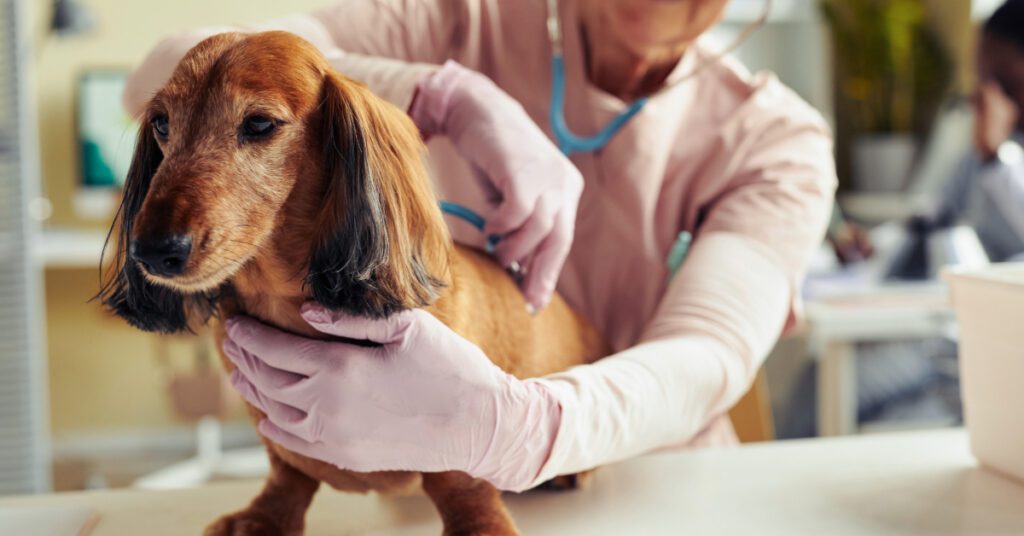
Senior Pet Care: What’s Included in a Senior Wellness Exam
Senior pet care looks different than caring for a young, healthy animal, and understanding those differences is key to giving your aging pet the quality of life they deserve. Dogs are generally considered seniors around age seven, though large and giant breeds age faster and may reach senior status as...

Common Behavior Changes That Signal Health Problems
When your pet starts acting differently, it's easy to wonder if it's just a phase, or something more. Behavior changes in pets are often the first and most visible sign that something is physically wrong. Unlike humans, pets can't tell us when they're hurting or feeling off. Instead, they communicate...
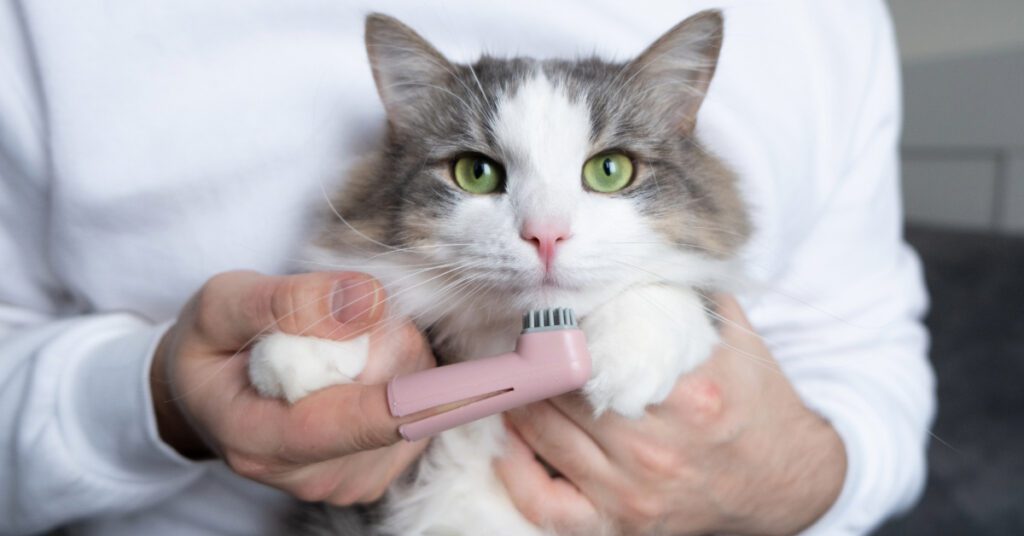
How Often Should My Pet Have a Dental Cleaning?
Most dogs and cats benefit from a professional dental cleaning once a year, though the exact answer to how often pets should have dental cleanings depends on breed, age, and individual oral health. At Partners Animal Hospital in Asheville, NC, our veterinarians typically recommend an annual cleaning for adult pets,...
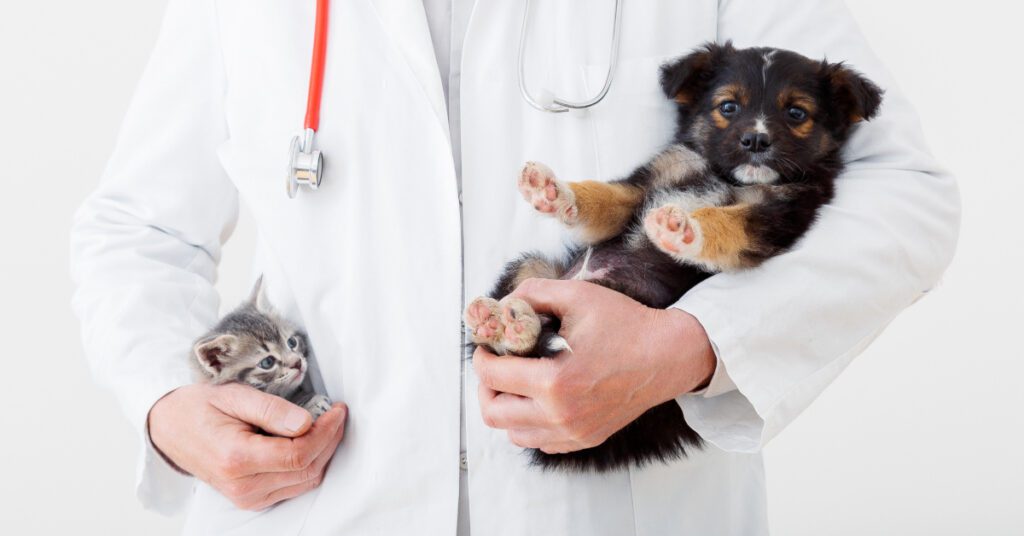
What to Expect at Your Pet’s First Vet Visit
Your pet's first vet visit is one of the most important steps you can take toward a long, healthy life together. At Partners Animal Hospital Asheville, we want that first appointment to feel warm, reassuring, and productive, not stressful. A first vet visit typically includes a full physical exam, a...

The Lifelong Benefits of Spaying and Neutering
Most pet owners know that spaying and neutering help control the pet population—but the benefits go far beyond that. These procedures can improve your pet’s long-term health, reduce unwanted behaviors, and even contribute to a longer, happier life. Health Benefits for Female PetsSpaying removes a female pet’s ovaries and uterus,...

Why Indoor Cats Still Need Regular Vet Visits
It’s a common misconception that indoor cats don’t need to see the vet regularly. While they’re safe from outdoor dangers, they still face health risks that can only be detected through routine exams and preventive care. Indoor Cats Can Still Get Sick Even without outdoor exposure, cats can develop chronic...

Boosting Immunity Before Winter: How to Keep Pets Resilient
Winter can be tough on pets—cold air, shorter days, and less exercise can all weaken the immune system. Preparing now can help your pet stay healthy and avoid common seasonal illnesses. How Cold Weather Affects Immunity Just like people, pets experience lower immunity when exposed to cold, stress, or changes...

Weight Management in Pets: Tips for Preventing Obesity
A few extra pounds might seem harmless, but they can quietly shorten your pet’s lifespan. Pet obesity is linked to arthritis, diabetes, heart disease, and more—but with the right plan, you can help your furry friend stay fit and active. Why Pet Weight Matters Overweight pets face higher risks for...
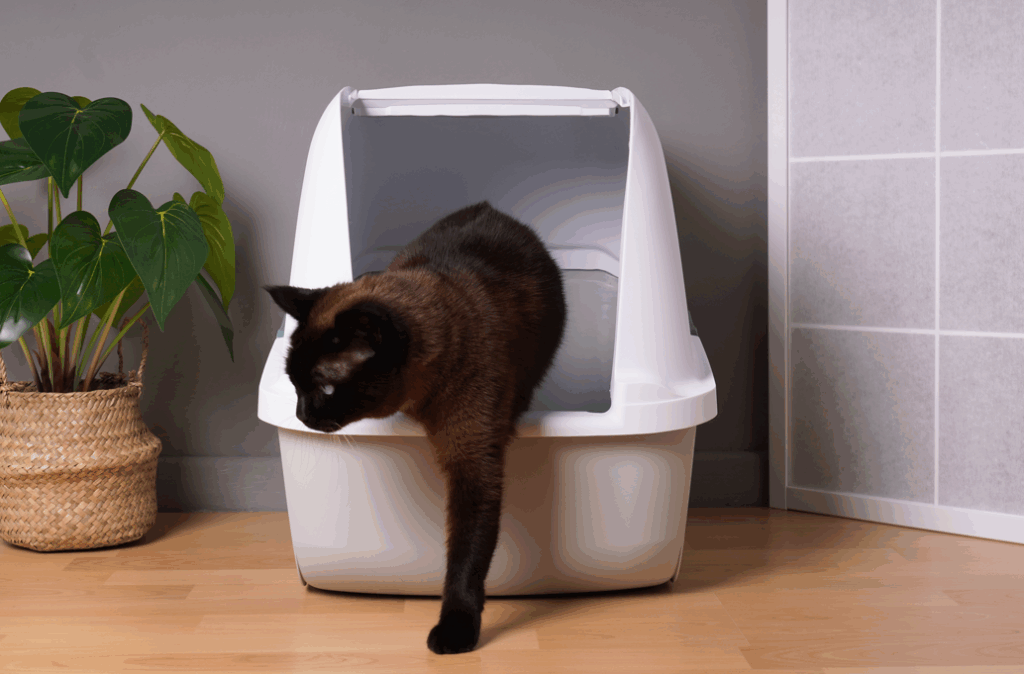
Litter Box Issues in Cats: Medical vs. Behavioral Causes
If your cat has suddenly stopped using the litter box, you’re not alone—this is one of the most common and frustrating challenges cat owners face. Whether you’re finding puddles outside the box or piles in unexpected places, the good news is that your cat isn’t acting out of spite. Litter...
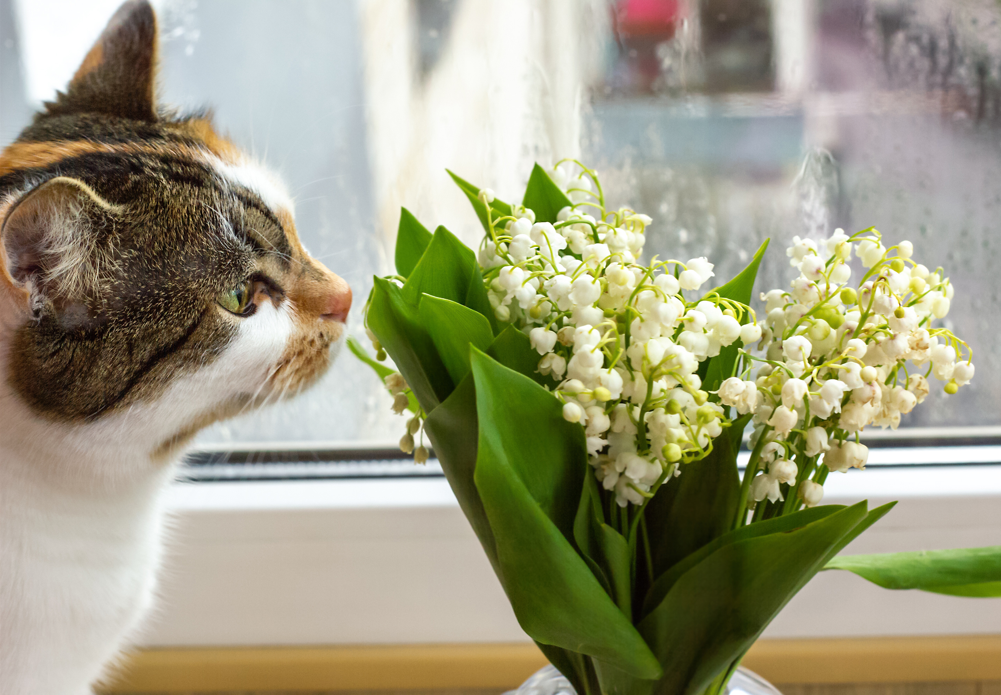
Holiday Plants That Are Toxic to Pets: Poinsettias, Holly, and Mistletoe
Holiday décor brings warmth and cheer—but some festive plants can pose serious dangers to dogs and cats. Before decking the halls, learn which seasonal greens to keep out of paw’s reach and what to do if your pet takes a nibble. Poinsettias Poinsettias have a mild toxicity level. Their milky...