

Senior Pet Care: What’s Included in a Senior Wellness Exam
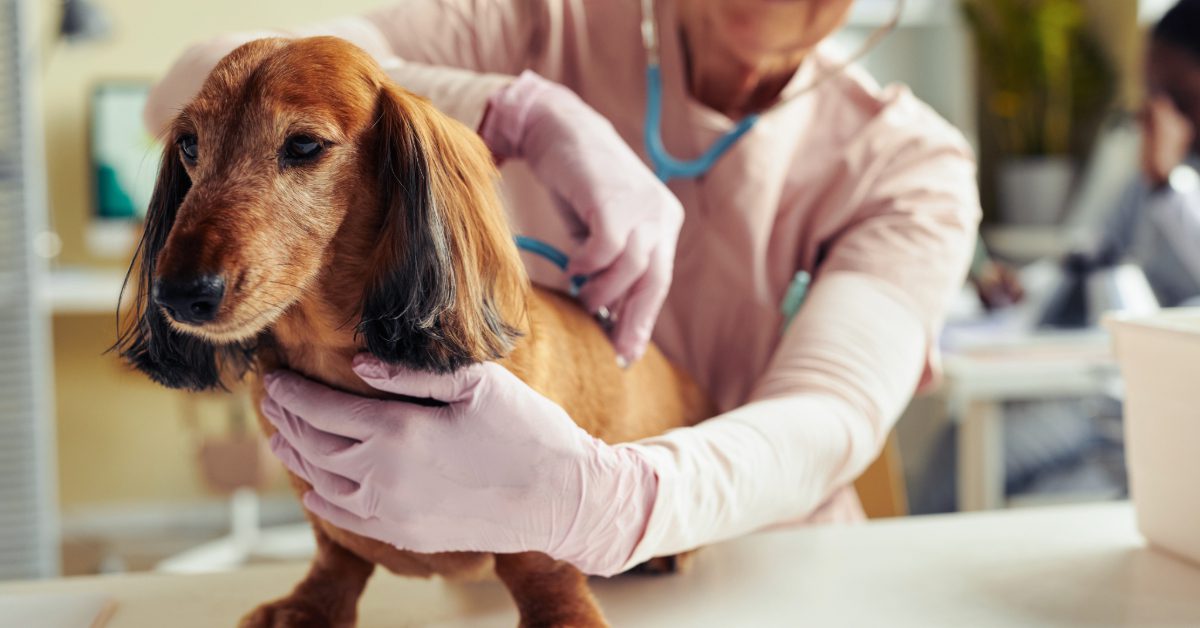
Senior pet care looks different than caring for a young, healthy animal, and understanding those differences is key to giving your aging pet the quality of life they deserve. Dogs are generally considered seniors around age seven, though large and giant breeds age faster and may reach senior status as early as five. Cats typically enter their senior years between 10 and 12. At Partners Animal Hospital Asheville, our approach to senior pet care is proactive, compassionate, and tailored to your individual pet’s needs because aging well doesn’t happen by accident.
How Aging Changes Your Pet’s Health Needs
Aging in pets is a gradual process, but the health changes that come with it can be significant. Senior pet care requires a shift in how often you visit the vet, what you feed your pet, how much and what kind of exercise they get, and what symptoms you watch for at home.
The most important principle in senior pet care is this: what’s normal for a young pet is not always normal for an older one. Increased water intake, weight changes, stiffness after rest, cloudy eyes, and new lumps or bumps all warrant veterinary attention in senior animals, even when they appear gradually.
How Often Should Senior Pets See the Vet?
One of the most important aspects of senior pet care is increasing the frequency of veterinary visits. While healthy adult pets typically need annual wellness exams, senior pets benefit from checkups every six months. A lot can change in six months for an aging animal, and twice-yearly visits allow your veterinarian at Partners Animal Hospital Asheville to monitor trends in weight, organ function, pain levels, and cognitive health before problems become serious.
What’s Included in a Senior Wellness Exam
A senior wellness exam goes beyond the basics. In addition to a full physical exam, your vet will likely recommend:
- Bloodwork to assess kidney function, liver values, thyroid levels, and blood sugar
- Urinalysis to evaluate kidney health and detect early disease
- A dental evaluation to assess oral health, which tends to worsen with age
- A pain and mobility assessment to identify early arthritis
- Screening for lumps, masses, or changes in lymph nodes
These screenings are the backbone of proactive senior pet care and can catch conditions like kidney disease, hyperthyroidism, diabetes, and cancer in their earliest, most treatable stages.
Common Health Conditions in Senior Pets
Senior pet care involves preparing for and recognizing a set of health conditions that become much more common as pets age. The earlier these are identified, the better the outcome in most cases.
Arthritis and Mobility Changes
Arthritis is one of the most widespread health issues in senior pets. Dogs and cats both develop osteoarthritis as joint cartilage wears down over time. Early signs can include reluctance to climb stairs, difficulty jumping onto furniture (especially in cats), stiffness after rest, or a change in gait. Senior pet care for arthritis may involve pain management medications, joint supplements, physical therapy, weight management, and environmental modifications at home.
Kidney Disease
Chronic kidney disease is extremely common in cats over age 10 and affects many senior dogs as well. It often develops gradually, with symptoms like increased thirst, increased urination, weight loss, decreased appetite, and vomiting. Because the kidneys lose significant function before clinical signs appear, regular bloodwork and urinalysis are essential components of senior pet care. Early detection allows for dietary and medical interventions that can meaningfully slow progression.
Dental Disease
Dental disease accumulates throughout a pet’s life, making senior pets significantly more likely to have advanced periodontal problems, tooth pain, and oral infections. Senior pet care must include regular dental evaluations and cleanings, because oral pain in aging pets is often silent. They continue eating despite significant discomfort. Partners Animal Hospital Asheville performs comprehensive dental exams with radiographs to assess what’s happening both above and below the gumline.
Cognitive Dysfunction Syndrome
Like humans with dementia, senior dogs and cats can develop Cognitive Dysfunction Syndrome (CDS), a neurological condition that affects memory, awareness, and behavior. Signs include disorientation, changes in sleep cycles (often more active at night), forgetting learned behaviors, reduced interaction with family members, and increased anxiety or vocalization. This condition is underdiagnosed, in part because pet owners assume it’s just normal aging. It’s not, and there are management strategies that improve quality of life significantly.
Cancer
Cancer is more common in senior pets than in younger animals, and many types of cancer are treatable when caught early. Regular wellness exams give your veterinarian the opportunity to detect lumps, swollen lymph nodes, unexplained weight loss, or other warning signs before they advance. Senior pet care should include consistent monitoring at home as well. You know your pet’s body better than anyone, and new or changing masses deserve prompt evaluation.
Nutrition and Weight Management in Senior Pets
Diet is one of the most powerful tools in senior pet care. Nutritional needs change as pets age, and what worked well for your active three-year-old may not be appropriate for your eleven-year-old with early kidney disease.
Senior pet diets are typically formulated to support joint health, kidney function, and immune system strength while managing caloric density for less active animals. Some senior pets lose weight due to muscle wasting or underlying illness, while others gain weight due to reduced activity and metabolic slowing. Both are concerns, and both are manageable with guidance from your Partners Animal Hospital Asheville veterinarian.
Feeding Tips for Aging Pets
- Feed a senior-formulated diet or one specifically tailored to any existing health conditions
- Divide meals into smaller, more frequent portions if your pet shows decreased appetite
- Make fresh water easily accessible, especially for cats who may be prone to kidney disease
- Avoid high-sodium treats or table scraps, particularly for pets with heart or kidney concerns
Adjusting Exercise and Enrichment for Senior Pets
Senior pet care doesn’t mean giving up on activity. It means adjusting it thoughtfully. Regular, gentle exercise supports joint mobility, maintains healthy weight, and provides mental stimulation that can slow cognitive decline. Short, frequent walks are often better than long ones for senior dogs with arthritis. Swimming is an excellent low-impact option for dogs with joint problems.
Mental enrichment is just as important as physical activity in senior pet care. Puzzle feeders, gentle training sessions, social interaction, and new sensory experiences all support cognitive health in aging pets. For cats, maintaining access to climbing options at a manageable height and providing comfortable perches near windows can make a meaningful difference in daily quality of life.
Pain Recognition and Comfort in Aging Pets
Pain management is a core component of senior pet care, and it starts with recognizing that pets frequently mask discomfort. Common signs of pain in senior pets include changes in posture, reduced grooming in cats, reluctance to be touched, altered facial expressions, changes in sleep patterns, and withdrawal from activities they once enjoyed.
At Partners Animal Hospital Asheville, our veterinary team conducts structured pain assessments as part of every senior wellness visit. If your aging pet is in pain, there are effective, safe options available, from prescription medications and joint supplements to acupuncture and physical therapy. You don’t have to accept pain as an inevitable part of your pet growing older.
Making the Most of Your Pet’s Senior Years
The senior years can be some of the most meaningful time you share with your pet. With the right care, many senior pets live comfortably and happily for years after their health needs intensify. Senior pet care at Partners Animal Hospital Asheville is built around regular monitoring, honest communication, proactive treatment, and genuine compassion for both you and your animal.
If your pet is approaching their senior years or is already there, we’d love to partner with you on their care. Call Partners Animal Hospital Asheville at (828) 333-7356 or book an appointment online to learn what personalized senior care looks like for your dog or cat.
Recent Posts
About Us
At Partners Veterinary Group, we believe in energizing our team members through shared values, while helping them create value for our clients and patients. Knowing we can help make pets’ and people’s lives better motivates us to continually strive for excellence and love what we do.
Our team consistently works to build educational, supportive, and cooperative work environments that cater to positive experiences and professional growth. We’re constantly evolving, creating innovative ways to deliver cutting-edge medicine to our patients. We equip our teams with tools to enhance their skills and improve their knowledge.