
How Often Should My Pet Have a Dental Cleaning?
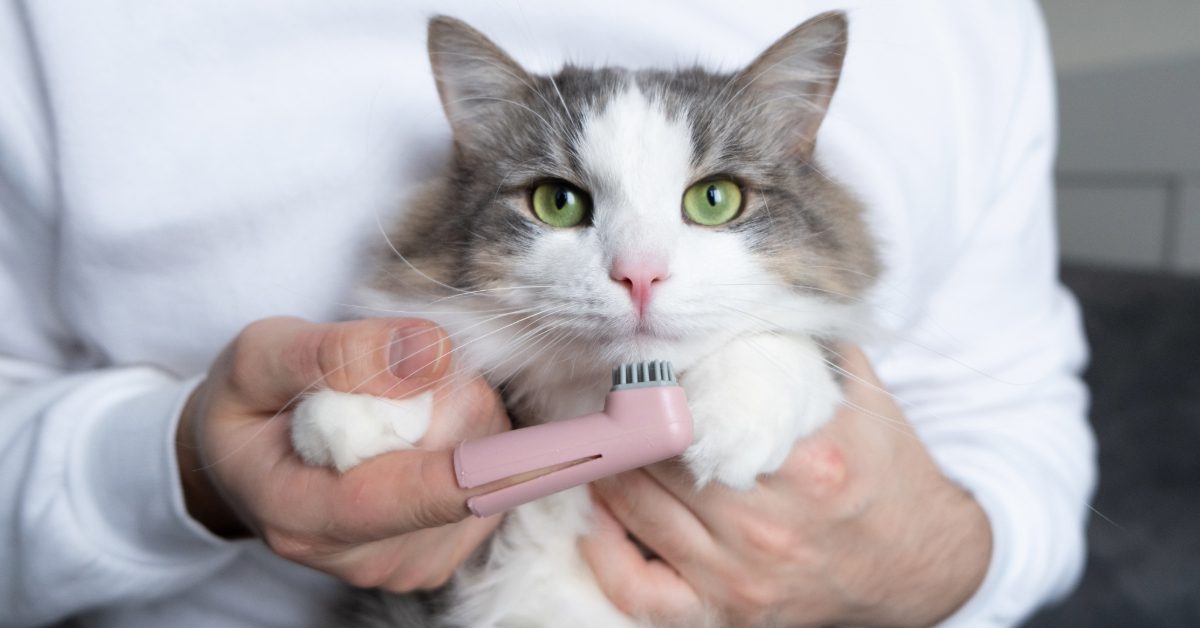
Most dogs and cats should have a professional pet dental cleaning at least once a year, but for some pets, every six months is appropriate. Dental health is one of the most vital but overlooked areas of veterinary care, which is why we place so much importance on it at Partners Animal Hospital Asheville. A pet dental cleaning isn’t just about fresh breath. It’s a medical procedure that protects your pet from pain, tooth loss, and systemic infections that can affect the heart, kidneys, and liver. If you’ve been wondering whether your pet is due for a dental cleaning, this guide will give you clear answers.
Why Pet Dental Cleanings Are Essential
Dental disease is the most common health condition diagnosed in dogs and cats. Studies suggest that by age three, more than 80% of dogs and 70% of cats already show some signs of periodontal disease. Without regular professional cleanings, plaque hardens into tartar, bacteria accumulate below the gumline, and tissue and bone begin to break down.
The consequences go beyond the mouth. Oral bacteria can enter the bloodstream and contribute to damage in the heart valves, kidneys, and liver over time. A routine pet dental cleaning is one of the most effective ways to prevent these downstream health problems before they start.
How Often Does My Pet Need a Dental Cleaning?
The frequency of pet dental cleanings depends on several factors, including your pet’s species, breed, age, diet, and the current state of their oral health. Here’s a general framework our veterinary team at Partners Animal Hospital Asheville uses as a starting point.
Annual Dental Cleanings for Most Pets
For the average adult dog or cat in good health, an annual professional dental cleaning, combined with consistent at-home dental care, is typically sufficient to prevent significant tartar buildup and periodontal disease. Your pet’s annual wellness exam is the ideal time to evaluate whether a cleaning is needed.
More Frequent Cleanings for High-Risk Pets
Some pets need professional dental cleanings every six months. Small and toy dog breeds like Chihuahuas, Yorkshire Terriers, Maltese, and Dachshunds are especially prone to overcrowded teeth and rapid tartar accumulation. Flat-faced breeds like Bulldogs and Persian cats also tend to have more dental problems due to the structure of their jaws. Senior pets often benefit from more frequent cleanings as well, since age-related changes in gum tissue can accelerate disease progression.
Signs Your Pet May Need a Dental Cleaning Now
You don’t have to wait for an annual appointment if you’re noticing warning signs. Watch for the following:
- Persistent bad breath that doesn’t improve
- Yellow, brown, or discolored teeth
- Red, swollen, or bleeding gums
- Difficulty chewing or dropping food from the mouth
- Pawing at the face or mouth
- Drooling more than usual
- Visible tartar buildup along the gumline
Any of these signs warrants a call to Partners Animal Hospital Asheville at (828) 333-7356. Waiting can allow dental disease to worsen and increase treatment complexity.
What Does a Professional Pet Dental Cleaning Involve?
A professional pet dental cleaning is a thorough, veterinary-supervised procedure, which is very different from brushing your pet’s teeth at home. Here’s what the process typically looks like at Partners Animal Hospital Asheville.
Pre-Anesthetic Evaluation
Because pet dental cleanings require general anesthesia, your veterinarian will perform a pre-anesthetic evaluation first. This usually includes bloodwork to assess organ function and ensure your pet can safely undergo anesthesia. Some pet owners express concern about anesthesia, and we understand that. It’s important to know that anesthesia-free dental cleanings are not a safe or effective substitute for professional care. They only address visible surfaces and miss the critical area below the gumline where disease develops.
Scaling and Polishing
Once your pet is safely under anesthesia, one of our veterinary technicians uses specialized instruments to remove tartar and plaque from all tooth surfaces, including below the gumline. The teeth are then polished to smooth the enamel, which slows future plaque buildup.
Dental X-Rays
Dental radiographs (X-rays) are a standard part of a complete pet dental cleaning at most veterinary practices, including Partners Animal Hospital Asheville. X-rays reveal what’s happening below the gumline such as bone loss, tooth root abscesses, resorptive lesions in cats, and other problems that are completely invisible to the naked eye. Without X-rays, dental disease is routinely missed.
Extractions and Additional Treatments
If your vet finds teeth that are too damaged or diseased to save, extractions may be recommended during the same appointment. While no one wants to hear that their pet needs a tooth pulled, leaving a painful or infected tooth in place causes far more suffering than a clean extraction and proper healing.
How to Support Your Pet’s Dental Health at Home
Professional pet dental cleanings work best when they’re supported by a consistent at-home routine. You don’t need to become a dental hygienist for your dog or cat, but a few simple habits make a meaningful difference in the time between cleanings.
- Brush your pet’s teeth daily using a pet-safe toothpaste (never human toothpaste, which is toxic to pets)
- Offer dental chews or toys approved by the Veterinary Oral Health Council (VOHC)
- Ask your vet about dental diets or water additives formulated to reduce plaque
- Schedule regular wellness exams so your vet can assess oral health every year
Daily toothbrushing is the gold standard, but even two or three times a week provides significant benefit over no brushing at all. Start slowly, use positive reinforcement, and be patient. Most pets can learn to tolerate toothbrushing with a little practice.
Does My Dog or Cat Really Need Anesthesia for a Dental Cleaning?
Yes. Anesthesia allows your veterinarian to clean all tooth surfaces thoroughly and safely, take dental X-rays, probe the gumline for pockets, and address painful or diseased teeth, all without causing your pet distress. Awake “anesthesia-free” dental cleanings in dogs and cats are not endorsed by the American Veterinary Dental College because they cannot safely clean subgingival areas (below the gumline), where the most significant disease occurs.
How to Schedule a Pet Dental Cleaning in Asheville, NC
If your pet hasn’t had a dental cleaning in the past year or has never had one, now is a great time to book an oral health exam at Partners Animal Hospital Asheville. Our veterinary team will assess your pet’s teeth and gums, recommend a cleaning frequency based on their specific needs, and walk you through what to expect before, during, and after the procedure.
Don’t let dental disease sneak up on your pet. Contact Partners Animal Hospital Asheville at (828) 333-7356 or book an appointment online and schedule a dental exam today.
Recent Posts
About Us
At Partners Veterinary Group, we believe in energizing our team members through shared values, while helping them create value for our clients and patients. Knowing we can help make pets’ and people’s lives better motivates us to continually strive for excellence and love what we do.
Our team consistently works to build educational, supportive, and cooperative work environments that cater to positive experiences and professional growth. We’re constantly evolving, creating innovative ways to deliver cutting-edge medicine to our patients. We equip our teams with tools to enhance their skills and improve their knowledge.