

Why Is My Cat Chattering or Grinding Its Teeth?
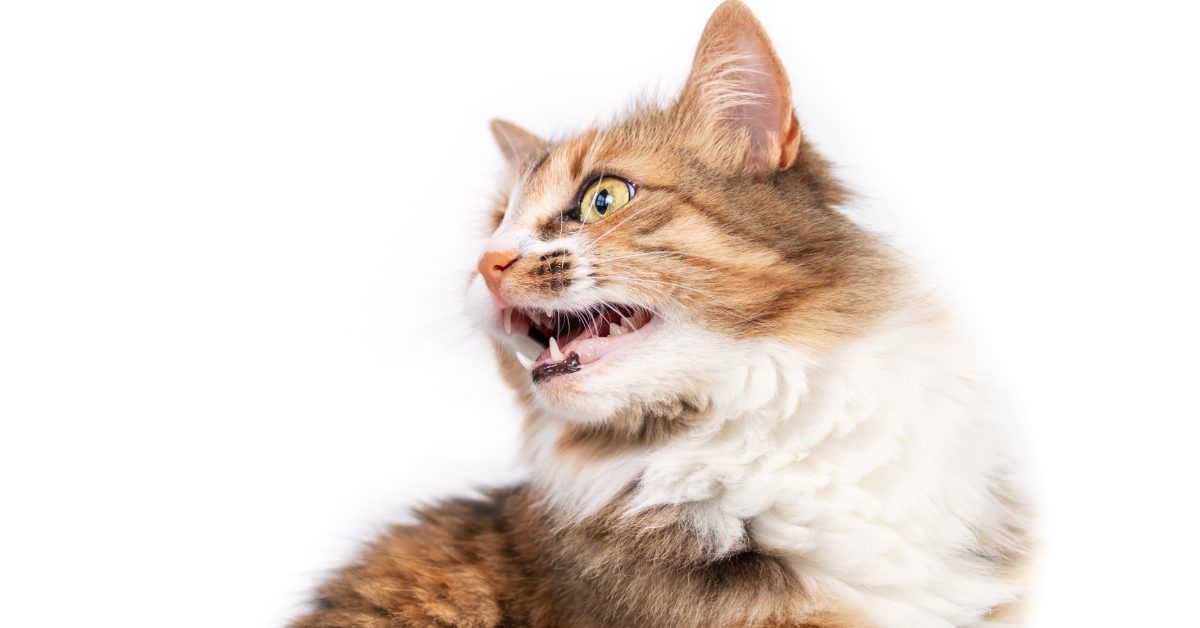
A cat chattering or grinding its teeth can look like two very different things depending on when it happens, and telling them apart matters more than most owners realize, since the two situations call for very different responses. A cat chattering or grinding its teeth at a bird through the window is usually just an excited, involuntary response to prey, while the same sound happening during a meal or a quiet moment on the couch can point to something going on inside the mouth. Our veterinary team at Partners Animal Hospital Asheville often helps owners figure out which category their cat’s behavior falls into, since the two look and sound surprisingly similar at first. Because the underlying causes are so different, knowing what to watch for can save an owner unnecessary worry or, just as importantly, prompt a timely visit when one is actually needed. Below, we’ll cover what typically causes a cat to chatter or grind its teeth, whether the behavior can signal pain, and how to tell the difference between playful chattering and something worth a veterinary visit.
What Can Cause a Cat to Chatter or Grind Its Teeth?
Understanding the range of possible causes helps explain why a cat chattering or grinding its teeth isn’t automatically cause for concern, though it sometimes is. Context tends to matter just as much as the behavior itself when it comes to figuring out which category applies.
Prey-Response Chattering vs. Dental-Related Grinding
The most familiar version of a cat chattering or grinding its teeth happens while watching birds, squirrels, or other prey through a window. This rapid jaw movement is thought to be an instinctual response tied to hunting, possibly related to mimicking a killing bite or expressing frustration at being unable to reach the target. Dental-related grinding, known as bruxism, looks similar but happens in entirely different situations and stems from a different cause altogether. Learning to notice the context around the behavior is often the fastest way to tell which type is occurring.
Dental and Oral Causes
When a cat chattering or grinding its teeth happens outside of a hunting context, dental pain is one of the more common underlying explanations. Tooth resorption, a painful condition where the tooth structure gradually breaks down, is a frequent culprit in cats specifically and can cause grinding as the cat unconsciously tries to relieve discomfort. Gum disease and oral inflammation can produce a similar effect, since both create ongoing irritation that a cat has no other obvious or easy way to respond to.
Other Possible Explanations Behind the Behavior
A few additional factors can also contribute to a cat chattering or grinding its teeth, and while these are less common than dental causes, they’re worth keeping in mind:
- Stress or anxiety, particularly in cats prone to nervous habits
- Gastrointestinal discomfort, which can sometimes manifest as jaw movement
- Neurological conditions that affect muscle control around the jaw
- A learned behavior in some cats with no clear medical cause at all
Because the possible explanations range so widely, a cat chattering or grinding its teeth outside of an obvious hunting scenario is generally worth mentioning at the next veterinary visit, even if the cat otherwise seems completely fine.
Could Teeth Chattering Be a Sign That a Cat Is in Pain?
For many cats, a cat chattering or grinding its teeth is one of the more reliable outward signs that something in the mouth hurts, even when other symptoms are absent. Chattering teeth in cats while they are eating food can also be an indicator that they may have dental disease. This makes the behavior worth taking seriously rather than simply dismissing it as a quirky habit.
Bruxism as a Pain Response
Bruxism, the medical term for teeth grinding, is frequently linked to oral pain in cats specifically. Because cats are so skilled at masking discomfort in other ways, jaw grinding can be one of the few visible clues that dental disease, a fractured tooth, or a resorptive lesion is present and causing real pain. Veterinarians often treat unexplained grinding as a strong enough signal on its own to warrant a closer oral exam.
Why Cats May Grind Their Teeth Even Without Obvious Symptoms
A cat can continue eating and behaving in a mostly normal way while still experiencing enough discomfort to trigger grinding. This disconnect is part of why a cat chattering or grinding its teeth deserves attention even when appetite and energy levels seem unaffected. A cat’s instinct to hide vulnerability doesn’t turn off just because a tooth or gum is bothering them, so grinding can end up being the loudest clue available.
Signs That Often Point to Pain-Related Grinding
When grinding is tied to an underlying medical issue, it rarely appears as the only symptom, and spotting a pattern across several of these signs strengthens the case for a veterinary visit:
- Reduced interest in hard food or a preference for softer textures
- Drooling more than usual, sometimes with a faint pink tinge
- Pawing at the mouth or face more frequently than normal
- A general decrease in grooming or overall activity level
Noticing several of these signs alongside grinding makes an underlying medical cause far more likely than a purely behavioral one, and it’s worth flagging all of them to your veterinarian rather than just the one that stands out most.
What Does Cat Chattering Look Like?
Learning to recognize the visual and situational differences helps owners tell apart the two versions of a cat chattering or grinding its teeth, since the sound alone often isn’t enough to go on.
The Classic Prey-Watching Chatter
Prey-related chattering usually involves quick, rhythmic jaw movements accompanied by an intense stare, often directed at something moving outside a window or across the room. It tends to be short-lived, stopping once the prey moves out of sight or the cat loses interest. Many cats also crouch low or twitch their tail during this behavior, adding to the overall impression of focused hunting excitement, and the whole episode usually plays out within a few seconds to a minute or two.
How Grinding Differs From Playful Chattering
Dental-related grinding tends to look and sound different: slower, more deliberate jaw movement that can occur during meals, while resting, or seemingly at random. Unlike prey chattering, a cat chattering or grinding its teeth for medical reasons often continues regardless of what’s happening in the environment, whether the cat is alone in a quiet room or surrounded by activity.
Key Differences to Watch For
A few practical details can help distinguish between the two, and looking at all of them together is more reliable than focusing on just one:
- Context matters: chattering tied to a visible target is more likely playful, while grinding with no clear trigger deserves a closer look
- Duration matters: prey chattering is typically brief, while dental grinding can be more prolonged or repetitive
- Accompanying behavior matters: chattering paired with an alert, focused posture differs from grinding paired with withdrawal or reduced appetite
When It’s Time for a Closer Look
If a cat chattering or grinding its teeth only ever happens while watching birds through the window, it’s almost certainly a normal, harmless behavior. If it shows up in other contexts, especially alongside changes in eating, grooming, or energy, a veterinary exam can determine whether dental pain or another medical issue is behind it. Our team at Partners Animal Hospital Asheville can take a closer look at your cat’s mouth and overall health to figure out which explanation fits. Call us at (828) 333-7356 or book an appointment online today. Bringing a short video of the behavior to the appointment, if possible, can also help your veterinarian tell prey-response chattering apart from grinding more quickly. Paying attention to when and how the behavior occurs gives your veterinarian valuable context that makes reaching an accurate diagnosis much easier.
Recent Posts
About Us
At Partners Veterinary Group, we believe in energizing our team members through shared values, while helping them create value for our clients and patients. Knowing we can help make pets’ and people’s lives better motivates us to continually strive for excellence and love what we do.
Our team consistently works to build educational, supportive, and cooperative work environments that cater to positive experiences and professional growth. We’re constantly evolving, creating innovative ways to deliver cutting-edge medicine to our patients. We equip our teams with tools to enhance their skills and improve their knowledge.