

Dog Tooth Abscesses: Signs, Treatment, and Recovery
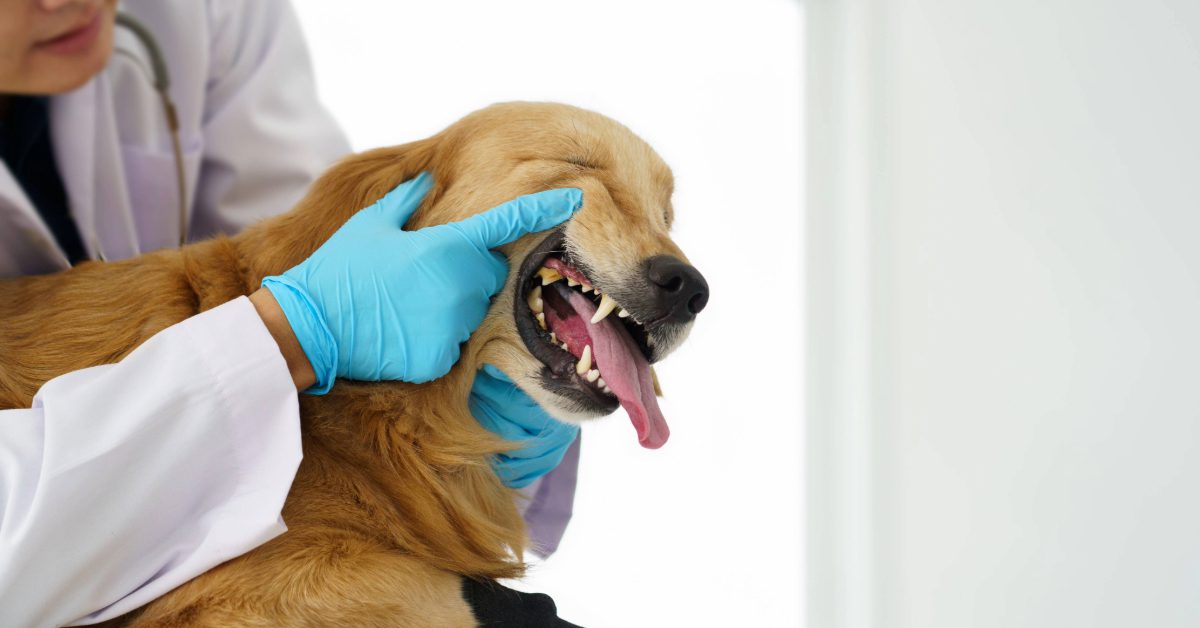
A dog tooth abscess is a painful, pus-filled infection that forms at the root of a tooth, and it will not heal on its own without veterinary treatment. If your dog is pawing at their face, refusing food, or has a swollen cheek, a dog tooth abscess is one of the most common culprits behind sudden, severe mouth pain. At Partners Animal Hospital Asheville, our veterinary team sees dog tooth abscess cases regularly, especially in dogs with a history of untreated dental disease or a habit of chewing on hard objects. Because the infection can spread beyond the mouth if it goes unaddressed, knowing the early warning signs and understanding what treatment involves can help you act quickly and protect your dog’s long-term comfort and health. This blog walks through what causes a dog tooth abscess, how to recognize one at home, what treatment typically involves, and what recovery looks like once your dog is on the mend.
What Causes a Tooth Abscess in Dogs?
A dog tooth abscess almost always starts with damage to the protective enamel or the gum tissue surrounding a tooth. Once bacteria reach the sensitive inner structures of the tooth, an infection can take hold and progress into a painful abscess within days rather than weeks.
Dental Disease and Tartar Buildup
The most frequent cause of a dog tooth abscess is untreated periodontal disease. Plaque and tartar accumulate along the gumline, allowing bacteria to work their way beneath the gum tissue and toward the tooth root. Over months or years, this bacterial buildup weakens the ligaments and bone holding the tooth in place, creating exactly the conditions needed for an abscess to develop and spread.
Fractured or Cracked Teeth
Dogs who chew on hard objects such as antlers, bones, hooves, or ice cubes are at elevated risk for tooth fractures. A cracked tooth exposes the pulp chamber, the nerve-rich center of the tooth, directly to bacteria living in the mouth. This is one of the fastest paths to a dog tooth abscess, and infection can sometimes develop within a week of the initial injury, even if the crack itself looked minor.
Other Contributing Factors
Age, breed, and overall health also influence whether a dog tooth abscess is likely to form:
- Small and brachycephalic breeds often have crowded teeth that trap food and bacteria more easily than dogs with more typical jaw spacing
- Senior dogs are more prone to worn enamel and receding gums, both of which raise the risk of infection at the root
- Dogs with weakened immune systems, including those managing other chronic illnesses, may struggle to fight off bacteria even from relatively minor dental damage
- Dogs who have never had a professional dental cleaning tend to carry heavier tartar loads, which speeds up the timeline toward an abscess
Left unaddressed, any combination of these factors can allow an infection to take hold and worsen steadily over time. This is why our veterinarians at Partners Animal Hospital Asheville recommend routine dental exams as a standard part of preventive care for every dog, not just those already showing symptoms. Catching gum recession, mild tartar buildup, or a small chip in a tooth early on is far easier to manage than waiting until a full abscess has already developed.
How Can You Tell If Your Dog Has an Infected Tooth?
The signs of a dog tooth abscess can be subtle at first, particularly because dogs are naturally skilled at masking pain until a problem becomes severe. As the infection progresses, though, the symptoms usually become more obvious and much harder to miss.
Physical and Behavioral Signs
Watch for changes in how your dog eats, plays, or interacts with their own face and mouth. A dog tooth abscess frequently causes one-sided chewing, dropping food mid-bite, pawing at the muzzle, or a sudden reluctance to let anyone touch their face.
Common Symptoms to Watch For
The following signs are among the most commonly reported indicators of a dog tooth abscess and are worth mentioning to your veterinarian even if only one or two apply:
- Facial swelling, often appearing just below one eye or along the lower jawline
- Bad breath that seems to appear suddenly or worsen noticeably within a short period
- Bleeding or discharge from the mouth, or a draining wound on the face near the affected tooth
- Whining, flinching, or pulling away when the mouth or face is touched or examined
- Visible redness, a broken or discolored tooth, or a small firm bump on the gum near a tooth root
When Symptoms Point to an Emergency
An abscess that causes a visibly swollen face, fever, or noticeable lethargy warrants same-day veterinary attention rather than a wait-and-see approach at home. Infection from a dog tooth abscess can occasionally spread to the sinuses or, in rare but serious cases, into the bloodstream, so prompt evaluation matters far more than trying to pinpoint the exact cause yourself before calling the clinic.
How Are Tooth Abscesses Treated, and How Long Does Recovery Take?
Treating a dog tooth abscess requires professional veterinary care, and there is no safe way to resolve it permanently without addressing the underlying tooth. Antibiotics alone may quiet the infection temporarily, but it will return once the medication wears off if the damaged tooth is left in place.
Diagnosis and Initial Care
Veterinarians typically diagnose a dog tooth abscess through a thorough oral exam combined with dental X-rays, which reveal how far the infection has spread beneath the gumline and whether nearby teeth are affected. Many dogs are started on antibiotics and pain control to reduce swelling and discomfort in the days leading up to their dental procedure.
Treatment Options
Depending on the severity and location of the abscess, your veterinarian may recommend one of the following approaches:
- Extraction of the affected tooth, which remains the most common and most reliable treatment for a dog tooth abscess
- Root canal therapy for dogs whose tooth structure can realistically be saved, typically performed by a veterinary dental specialist
- Drainage of the abscess pocket combined with an extended course of antibiotic therapy in select, less severe cases
What Recovery Looks Like
Most dogs recover from treatment within one to two weeks, though timelines vary depending on the extent of the infection. Soft food is usually recommended for the first several days after the procedure, along with any prescribed pain medication or antibiotics. Swelling and discomfort typically improve noticeably within 48 to 72 hours of treatment, and most dogs are back to their normal appetite and energy well before the follow-up visit. That follow-up exam helps confirm the infection has fully cleared and that healing is progressing as expected, and it also gives your veterinarian a chance to check nearby teeth for any early warning signs before they become their own problem.
Protecting Your Dog From Future Dental Pain
A dog tooth abscess is painful, but it is also largely preventable with consistent, proactive dental care. Regular brushing, dental chews approved by your veterinarian, and routine professional cleanings all work together to reduce the plaque buildup that eventually leads to infection. Scheduling annual dental exams gives your veterinary team the chance to catch small problems, like a hairline crack or early gum recession, well before they progress into something as painful as a tooth abscess. Our team at Partners Animal Hospital Asheville encourages pet owners to bring any changes in eating habits, breath, or mouth sensitivity to their attention right away, since early intervention almost always means a simpler and less invasive treatment path. Call us at (828) 333-7356 or book an appointment online today. A little consistency at home, paired with routine veterinary checkups, goes a long way toward a healthier mouth and a more comfortable, happier dog for years to come.
Recent Posts
About Us
At Partners Veterinary Group, we believe in energizing our team members through shared values, while helping them create value for our clients and patients. Knowing we can help make pets’ and people’s lives better motivates us to continually strive for excellence and love what we do.
Our team consistently works to build educational, supportive, and cooperative work environments that cater to positive experiences and professional growth. We’re constantly evolving, creating innovative ways to deliver cutting-edge medicine to our patients. We equip our teams with tools to enhance their skills and improve their knowledge.