What Happens During a Veterinary Dental Cleaning?
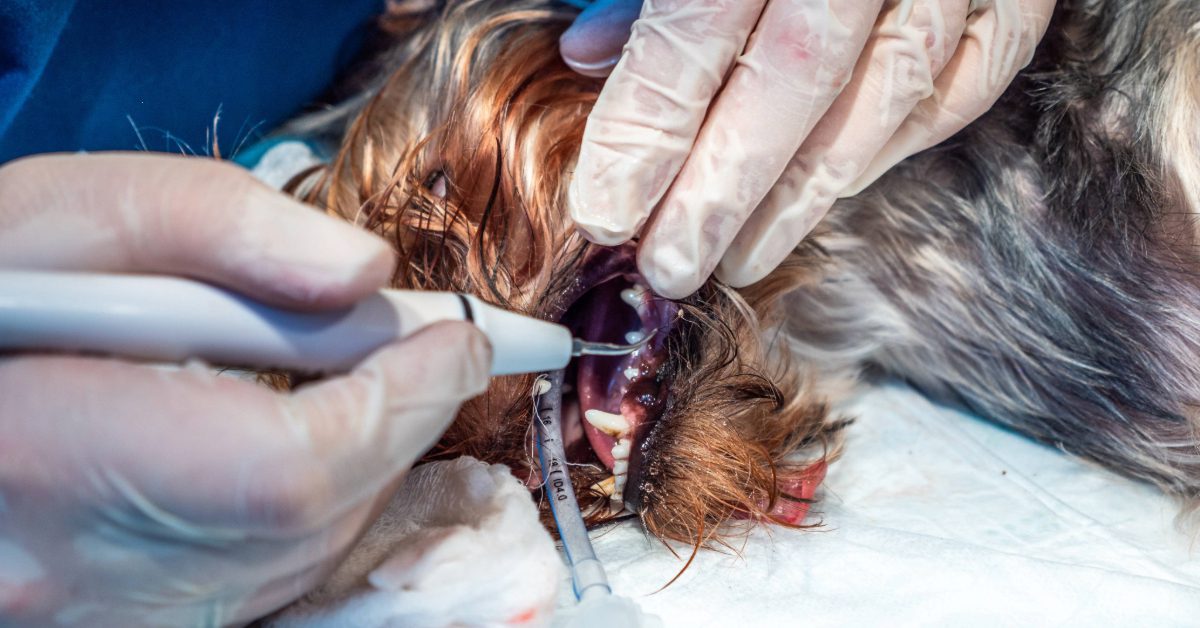
What happens during a veterinary dental cleaning is more involved than most pet owners expect, and it goes far beyond simply scraping tartar off visible teeth. At Partners Animal Hospital Asheville, every dental cleaning for dogs and cats includes anesthesia, a full oral exam, X-rays, and careful monitoring from start to finish. Understanding what happens during a veterinary dental cleaning can ease some of the natural worry pet owners feel about anesthesia and help explain why the procedure takes longer than a quick polish. In this blog, we’ll discuss what your veterinarian checks before the cleaning begins, how the teeth are actually cleaned and evaluated, what safety measures are used throughout, and what to expect once your pet comes home and settles back into their normal routine.
What Does a Veterinarian Check Before Cleaning a Dog or Cat’s Teeth?
Before any cleaning tools are used, our veterinary team performs a thorough evaluation to make sure a pet is a safe candidate for anesthesia and to establish a clear picture of the mouth’s condition. This step is a critical part of what happens during a veterinary dental cleaning, even though it takes place before the teeth themselves are touched.
Pre-Anesthetic Bloodwork and Physical Exam
A pre-anesthetic blood panel checks organ function, including the liver and kidneys, since these organs help process anesthesia. Combined with a physical exam that includes listening to the heart and lungs, this bloodwork helps our veterinary team confirm a pet can safely undergo the procedure. Any concerns identified here can change the anesthesia plan or, in some cases, postpone the cleaning until an underlying issue is addressed. This screening step is easy to overlook when picturing what happens during a veterinary dental cleaning, but it plays a major role in keeping the entire appointment safe.
Reviewing Medical History
Our veterinary team also reviews a pet’s medical history, current medications, and any prior reactions to anesthesia. This step matters just as much for senior pets or those with chronic conditions as it does for younger, healthier animals, since it shapes decisions about medication dosing and monitoring throughout the appointment. Owners are often asked to confirm this information again on the morning of the procedure, since even small changes in health status since the last visit can affect the plan.
Preparing Owners for the Day
Before the procedure, owners typically receive information covering several key points, since clear communication upfront tends to reduce day-of stress for everyone involved:
- The estimated timeline for the day, including drop-off and expected pickup windows
- What fasting instructions apply beforehand and why they matter for anesthesia safety
- What signs might indicate the need for extractions or additional treatment once the exam begins
- How the hospital will communicate with owners if unexpected findings come up mid-procedure
Covering these details in advance is a meaningful part of what happens during a veterinary dental cleaning long before the pet is ever anesthetized, and it helps owners feel prepared rather than caught off guard.
How Are a Pet’s Teeth Cleaned and Evaluated During the Procedure?
Once a pet is safely under anesthesia, the actual cleaning and evaluation process begins, with each step building on the last to give your veterinarian a complete picture of the mouth. This stage is what most people picture when they think about what happens during a veterinary dental cleaning, though it involves several distinct steps rather than a single simple task.
Full Mouth Dental X-Rays
Dental X-rays reveal what is happening beneath the gumline, including tooth roots and bone structure that cannot be assessed visually. A significant portion of dental disease exists below the surface, which is why full-mouth X-rays are considered an essential part of what happens during a veterinary dental cleaning at a properly equipped clinic.
Scaling and Polishing
Using ultrasonic scaling tools, our veterinary team removes plaque and tartar from both the visible tooth surfaces and the areas just beneath the gumline, where much of the bacterial buildup actually occurs. After scaling, the teeth are polished to smooth out any microscopic grooves left behind, which helps slow future plaque accumulation. This scaling and polishing step is often the part pet owners picture first when they imagine what happens during a veterinary dental cleaning, even though it represents only one stage of a longer process.
Charting and Tooth-by-Tooth Evaluation
Every tooth is examined and recorded individually on a dental chart, which becomes a detailed, permanent record your veterinarian uses to decide on treatment and to track a pet’s oral health from one visit to the next. This charting process is a core part of what happens during a veterinary dental cleaning:
- Probing depths around each tooth to check for periodontal pockets that signal bone loss below the gumline
- Noting any fractured, discolored, or mobile teeth found during the exam
- Documenting missing teeth or areas of significant gum recession
- Flagging teeth that may need closer X-ray review before a final treatment decision
What Safety Measures Are in Place During Anesthesia and Cleaning?
Anesthesia safety is one of the most common concerns pet owners raise, and it is treated as a central priority throughout the entire appointment rather than an afterthought.
Continuous Monitoring
Throughout the procedure, a dedicated team member monitors vital signs, including heart rate, blood pressure, oxygen levels, and body temperature. This continuous monitoring allows our team to catch and address any changes immediately, which is a major reason anesthesia for dental procedures has become significantly safer over the past several decades. It is also one of the least visible but most important parts of what happens during a veterinary dental cleaning, since it runs quietly in the background of the entire appointment.
Individualized Anesthesia Protocols
Anesthesia plans are tailored to each pet’s age, breed, weight, and overall health rather than following a single standard protocol for every patient. Brachycephalic breeds, senior pets, and animals with existing health conditions often receive adjusted medications and closer monitoring to reduce risk during the procedure. A veterinarian or veterinary technician stays present throughout to adjust the plan in real time if anything unexpected comes up.
Recovery Monitoring
After the cleaning is complete, pets are monitored closely as they wake from anesthesia, with staff tracking breathing, temperature, and alertness until the pet is stable and comfortable. This careful recovery period is just as important to what happens during a veterinary dental cleaning as the procedure itself, since the transition out of anesthesia requires close attention and pets are kept warm and quiet in a low-stress recovery space until they are fully alert.
Bringing Your Pet Home After a Dental Cleaning
Most pets go home the same day, often a bit groggy from anesthesia but otherwise back to themselves within 24 hours. Soft food is typically recommended for a short period afterward, along with any prescribed pain medication if extractions were performed. Our veterinary team at Partners Animal Hospital Asheville sends every owner home with clear aftercare instructions and a summary of any findings from the dental chart, so nothing about what happens during a veterinary dental cleaning remains a mystery once the appointment ends. Owners are also given clear guidance on what to watch for during recovery, along with a direct line to the clinic if any questions come up in the first day or two. Scheduling a follow-up or annual recheck helps track your pet’s oral health going forward and makes it easier to catch small issues before they turn into bigger ones down the road. Call Partners Animal Hospital Asheville at (828) 333-7356 or book an appointment online today.
Recent Posts
About Us
At Partners Veterinary Group, we believe in energizing our team members through shared values, while helping them create value for our clients and patients. Knowing we can help make pets’ and people’s lives better motivates us to continually strive for excellence and love what we do.
Our team consistently works to build educational, supportive, and cooperative work environments that cater to positive experiences and professional growth. We’re constantly evolving, creating innovative ways to deliver cutting-edge medicine to our patients. We equip our teams with tools to enhance their skills and improve their knowledge.