

Why Does My Dog Have Loose Teeth?
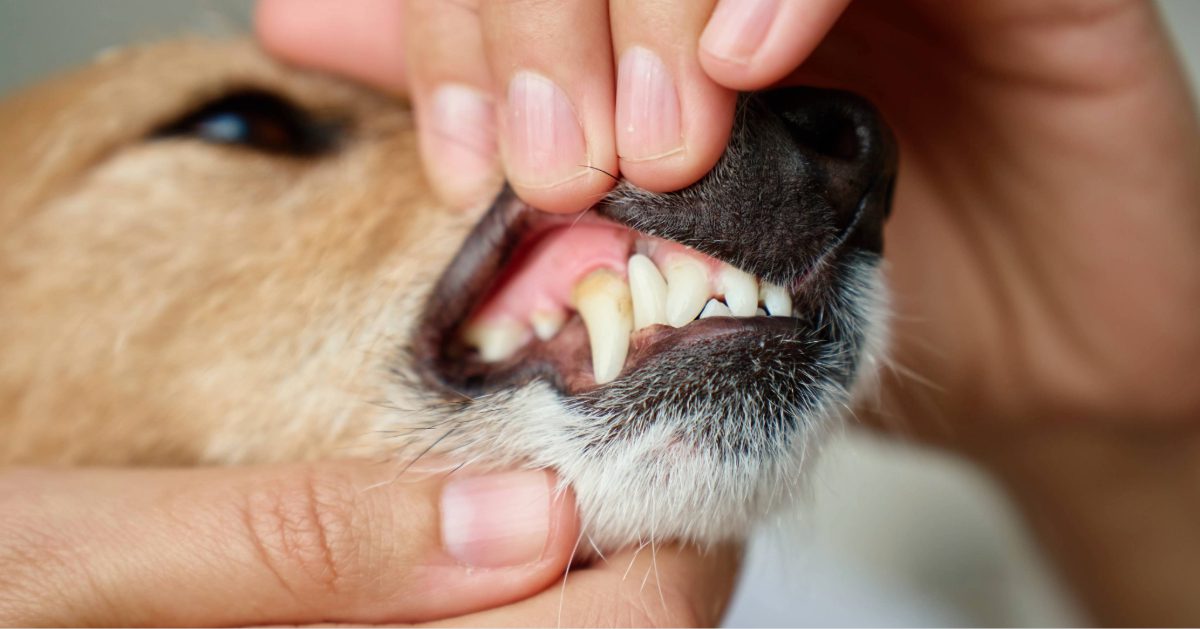
You’re mid-scratch behind your dog’s ears when your fingers brush against a tooth that shifts slightly under the pressure. Wait, is that supposed to move? In most cases, no. A dog has loose teeth almost always because periodontal disease has quietly eaten away at the bone and ligaments holding each tooth in place, not because of some sudden accident. That small wobble under your fingertip is rarely an isolated problem; it’s usually a sign that something has been building in the mouth for months, if not longer. When you bring your pet to Partners Animal Hospital Asheville with loose teeth, our veterinary team is equipped to provide a hands-on exam with X-rays to help sort out what comes next. Keep reading to learn what causes loose teeth in adult dogs, how periodontal disease specifically drives the problem, and whether a loose tooth can be saved or needs to come out.
What Causes Adult Dogs to Develop Loose Teeth?
Several different issues can explain why a dog has loose teeth, and figuring out the cause usually requires a hands-on exam along with dental X-rays to see what’s happening beneath the gumline. The exact cause matters, since treatment looks very different depending on whether the underlying issue is disease, injury, or something else entirely.
Trauma and Physical Injury
A hard impact from chewing on an overly tough object, a fall, or an altercation with another animal can loosen a tooth almost immediately. Unlike disease-related looseness, which develops gradually, trauma-related cases tend to appear suddenly and are often accompanied by visible swelling or bleeding around the affected tooth. A dog has loose teeth from trauma more often in active, outdoor dogs or those with a habit of chewing on unusually hard objects like rocks or antlers. Because trauma-related looseness happens quickly, owners are often able to pinpoint roughly when the injury occurred, which can help guide treatment.
Systemic and Age-Related Factors
As dogs age, the bone and connective tissue supporting the teeth can naturally weaken, making a dog who has loose teeth a more common finding in senior patients even without severe dental disease. Certain systemic conditions, including some autoimmune and metabolic disorders, can also affect bone density around the tooth roots and contribute to looseness over time. In these cases, the looseness is often just one visible sign of a broader health issue that deserves its own evaluation, separate from a typical dental workup.
Other Possible Causes Behind a Loose Tooth
A handful of less common factors can also explain why a dog has loose teeth, and while they show up far less often than periodontal disease, they’re still worth ruling out during a thorough exam:
- Oral tumors or growths that disrupt the surrounding bone and tissue
- Tooth resorption, a painful condition where the tooth structure itself begins breaking down
- Nutritional deficiencies that affect bone strength over a long period
- A retained baby tooth in a young adult dog that never fully anchored in place
Because the underlying cause varies so widely, a dog has loose teeth for reasons that only a veterinary exam can reliably sort out, rather than something an owner can diagnose from home.
Can Periodontal Disease Cause a Dog’s Teeth to Become Loose?
Periodontal disease is by far the most common reason a dog has loose teeth, and understanding how it works helps explain why the problem tends to develop gradually rather than overnight. Because the process is often silent for a long time, owners rarely notice anything is wrong until the looseness itself becomes obvious.
How Periodontal Disease Weakens the Structures Holding a Tooth in Place
Periodontal disease begins with plaque bacteria irritating the gum tissue, then progresses to damage the ligaments and bone that anchor each tooth in its socket. As this supporting structure breaks down, a dog has loose teeth because there is simply less holding each tooth firmly in place. This process can affect one tooth or several at once, depending on how widespread the disease has become, and it often progresses at different rates in different parts of the mouth.
Why Loose Teeth Often Signal Advanced Disease
By the time a dog has loose teeth from periodontal disease, the condition has typically already progressed well beyond early gingivitis. Bone loss of this kind doesn’t reverse on its own, which is why a loose tooth is generally treated as a marker of significant, established disease rather than an early warning sign. This is part of why veterinarians take a loose tooth seriously even when a dog otherwise seems perfectly comfortable.
Signs That Often Accompany Periodontal-Related Looseness
Loose teeth caused by periodontal disease rarely appear as an isolated finding, and these accompanying details help confirm the underlying cause during an exam:
- Noticeable bad breath that has developed or worsened over time
- Red, swollen, or receding gums around the affected tooth
- Visible tartar buildup along the base of several teeth
- Reluctance to chew on the affected side of the mouth
Spotting several of these signs alongside a loose tooth makes periodontal disease the most likely underlying cause.
Can a Loose Tooth Be Saved, or Does It Need to Be Removed?
Whether a loose tooth can genuinely be saved depends heavily on the underlying cause, the degree of bone loss, and the tooth’s overall stability during a hands-on exam and dental X-rays.
When Saving a Tooth Is Possible
In cases where looseness is mild and caused by localized trauma or early bone loss, some teeth can be stabilized and monitored, particularly if the underlying periodontal disease is treated aggressively at the same time. Advanced dental procedures, such as splinting, are sometimes an option in select cases, though they aren’t appropriate for every dog. A tooth’s overall value to normal function, along with the dog’s ability to keep up with follow-up dental care, both factor into whether this approach makes sense.
When Extraction Is the Better Option
When a dog has loose teeth due to significant bone loss, extraction is often the more reliable path forward, since a tooth without adequate support will typically continue to loosen and cause discomfort even with treatment. Removing a severely compromised tooth generally resolves the associated pain more effectively than attempting to preserve it, and most dogs adjust to eating comfortably again within a short recovery period.
What Determines Which Path a Veterinarian Recommends
Several factors influence whether a veterinarian recommends monitoring, stabilization, or extraction, and weighing them together gives a much clearer picture than looking at the tooth in isolation:
- The amount of bone loss visible on dental X-rays
- Whether the tooth is a functionally important one, such as a canine or molar
- The dog’s overall health and ability to tolerate anesthesia
- How advanced the underlying periodontal disease has become
No two cases look exactly alike, which is why this decision is always made after a full evaluation rather than from a quick glance at the tooth alone.
Getting Your Dog Back to a Comfortable Bite
Discovering that a dog has loose teeth can feel alarming, but a clear diagnosis usually leads to a straightforward treatment plan. Our team at Partners Animal Hospital Asheville can determine through a hands-on exam and dental X-rays whether a tooth can realistically be saved or should be removed to protect your dog’s comfort. You may worry that a missing tooth will change how your dog eats or behaves long-term, but most dogs adjust quickly and go right back to normal once the source of pain is gone. Addressing the issue sooner rather than later, before more teeth become affected, tends to make treatment simpler and helps your dog return to eating and chewing without pain. If you have concerns about your dog’s dental health, call us at (828) 333-7356 or book an appointment online today.
Recent Posts
About Us
At Partners Veterinary Group, we believe in energizing our team members through shared values, while helping them create value for our clients and patients. Knowing we can help make pets’ and people’s lives better motivates us to continually strive for excellence and love what we do.
Our team consistently works to build educational, supportive, and cooperative work environments that cater to positive experiences and professional growth. We’re constantly evolving, creating innovative ways to deliver cutting-edge medicine to our patients. We equip our teams with tools to enhance their skills and improve their knowledge.