

What Are the Signs of Dental Disease in Cats?
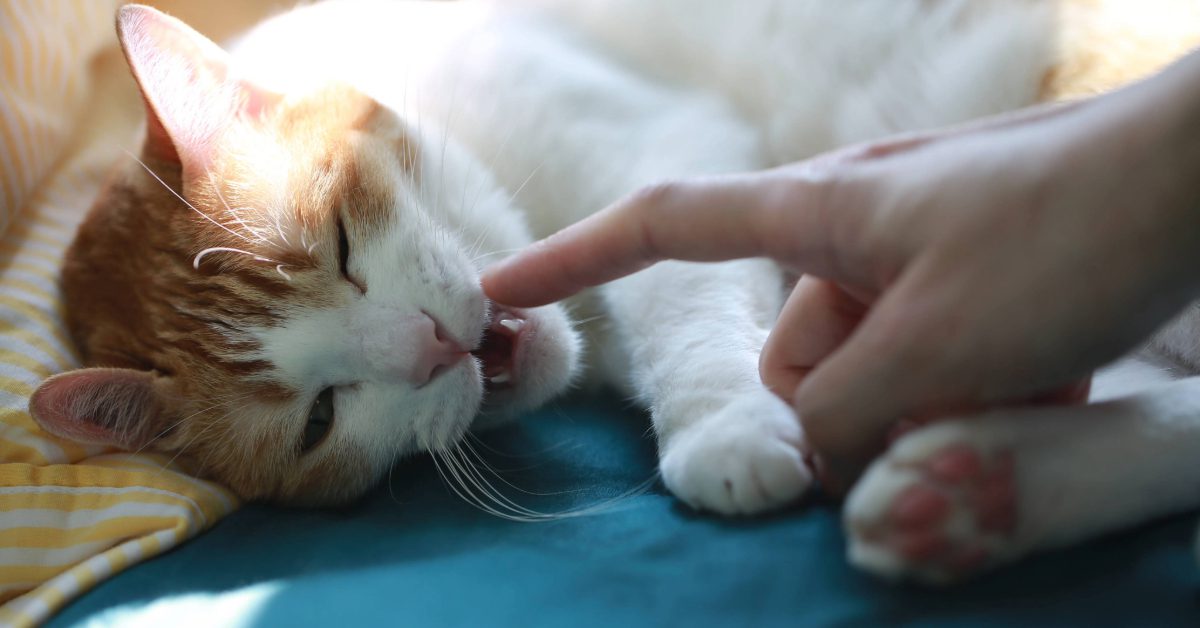
A cat curled up asleep in a sunny window is the picture of contentment, but that same cat could be quietly nursing a mouth full of pain that never reaches the surface. Cats hide illness by instinct, a survival trait passed down long before couches and food bowls existed, and that instinct doesn’t switch off just because dinner arrives on schedule. As a result, the signs of dental disease in cats rarely look like distress at all; they look like a slightly pickier eater, a cat who grooms a little less, or one who seems a touch more reserved than usual. At Partners Animal Hospital Asheville, our veterinary team has seen countless cats diagnosed with advanced dental disease despite owners insisting their cat “seemed completely fine.” Spotting the signs of dental disease in cats early means paying attention to details most people never think to connect to the mouth at all. Keep reading to learn what eating changes to watch for, how mouth pain actually shows up in cats, and why your cat may be hiding more than you realize.
What Changes in a Cat’s Eating Habits Could Point to Dental Problems?
Eating behavior is often the first place the signs of dental disease in cats become noticeable, even when the change is subtle enough to miss at a glance. Because cats are creatures of habit, even a small deviation from their usual routine at the food bowl is worth paying attention to.
Chewing and Food Preference Shifts
A cat with a sore tooth or inflamed gums may start favoring soft food over kibble, chewing only on one side of the mouth, or dropping dry food after picking it up. Some cats swallow kibble whole rather than chewing it, which can be an attempt to avoid pain from contact with a damaged tooth. Owners sometimes mistake this for pickiness rather than recognizing it as one of the signs of dental disease in cats that’s easiest to catch during a normal mealtime.
Weight and Appetite Changes
Gradual weight loss, slower eating, or a noticeable drop in interest at mealtime can all be tied to the signs of dental disease in cats, particularly in cats who previously ate with enthusiasm. Because these changes tend to develop slowly, they are often chalked up to aging rather than investigated as a possible dental issue. A cat who has quietly lost weight over several months without an obvious explanation deserves a closer look at the mouth as part of the workup.
Mealtime Behaviors Worth Watching
Beyond appetite itself, several specific mealtime habits are worth tracking, since they often show up before a cat stops eating altogether:
- Approaching the food bowl but walking away without eating
- Preferring wet or softened food after previously eating dry kibble without issue
- Tilting the head while chewing to favor one side of the mouth
- Batting at food with a paw rather than picking it up directly with the mouth
Noticing even one of these shifts is worth mentioning at your cat’s next visit, since eating changes are frequently among the earliest signs of dental disease in cats that owners can catch at home.
How Can You Tell if a Cat Is Experiencing Mouth Pain?
Mouth pain in cats rarely looks like it does in people or even in dogs, which makes the signs of dental disease in cats especially easy to overlook, even for owners who consider themselves attentive.
Physical Clues in the Mouth
Red or swollen gums, visible tartar along the gumline, drooling, or bad breath can all point to an oral health problem. A resorptive lesion, a painful condition common in cats where the tooth structure itself begins to break down, may appear as a small reddish spot at the gumline where the tooth meets the gum. These lesions are one of the more distinctive signs of dental disease in cats and are frequently found only during a hands-on exam, since they can be hard to spot from a casual glance.
Grooming and Body Language Changes
Cats in mouth pain sometimes groom less around the face, since the sensation of a paw or tongue near a sore tooth can be uncomfortable. A cat who once groomed meticulously but now looks unkempt around the chin or cheeks may be dealing with more than just a change in habit. This kind of shift is easy to attribute to age or a busy household, so it often takes a deliberate check-in to connect it back to the mouth.
Subtle Pain Indicators Many Owners Miss
Cats express mouth discomfort in ways that are easy to attribute to something else entirely, which is part of what makes these signs so easy to miss in a busy household:
- Increased irritability or reluctance to be picked up or held near the face
- Hiding more than usual or spending less time in shared spaces
- Pawing gently at the mouth without the dramatic reaction dogs typically show
- A change in purring or vocalization patterns during meals or handling
Because these behaviors overlap with so many other possible causes, from stress to unrelated illness, veterinarians often rely on a hands-on oral exam to confirm whether the signs of dental disease in cats are actually present.
Why Do Cats Often Hide Signs of Dental Disease?
Understanding why cats conceal pain helps explain why the signs of dental disease in cats can go unnoticed for so long, even by attentive owners who check in on their cat regularly.
Instinctual Reasons Cats Mask Discomfort
Cats evolved as both predators and prey, and showing visible weakness in the wild would have made them a target. That instinct hasn’t disappeared with domestication, which means a cat in real discomfort may still eat, groom, and behave close to normally on the surface. This evolutionary holdover is a big part of why the signs of dental disease in cats are so easy to overlook, even for owners who know their cat well.
Why This Makes Regular Exams Essential
Because cats mask pain so effectively, a hands-on veterinary exam is often the only reliable way to catch dental disease before it becomes severe. Annual exams give our veterinary team a chance to check for tartar, gum inflammation, and resorptive lesions that a cat would never reveal through obvious behavior at home. Sedated dental cleanings, when recommended, also allow for a much more thorough look at each tooth than any exam a cat would tolerate while fully awake.
How to Spot Problems Despite the Instinct to Hide Them
A few practical habits can help owners catch the signs of dental disease in cats earlier, even when a cat is working hard to hide discomfort:
- Lifting the lip gently once a month to glance at the gumline and back teeth
- Watching for any change in how eagerly a cat approaches food or treats
- Keeping a rough mental note of typical grooming habits so changes stand out
- Scheduling annual wellness exams even when a cat appears perfectly healthy
Taking Action Early for Your Cat’s Comfort
Because cats are so good at hiding pain, owners play a bigger role than they might expect in catching the signs of dental disease in cats before the condition advances. A cat who suddenly prefers soft food, grooms less, or seems slightly more withdrawn may be telling you more than it seems on the surface. Partners Animal Hospital Asheville encourages cat owners to schedule a dental exam whenever any of these changes appear, rather than waiting for a more dramatic symptom to show up. Even cats who seem perfectly content can be quietly living with an uncomfortable mouth, which is exactly why routine exams matter as much for cats as they do for dogs. Call us at (828) 333-7356 or book an appointment online today. Early detection tends to mean a simpler, less invasive path back to a comfortable, pain-free mouth.
Recent Posts
About Us
At Partners Veterinary Group, we believe in energizing our team members through shared values, while helping them create value for our clients and patients. Knowing we can help make pets’ and people’s lives better motivates us to continually strive for excellence and love what we do.
Our team consistently works to build educational, supportive, and cooperative work environments that cater to positive experiences and professional growth. We’re constantly evolving, creating innovative ways to deliver cutting-edge medicine to our patients. We equip our teams with tools to enhance their skills and improve their knowledge.