

What Happens if You Never Brush Your Dog’s Teeth?
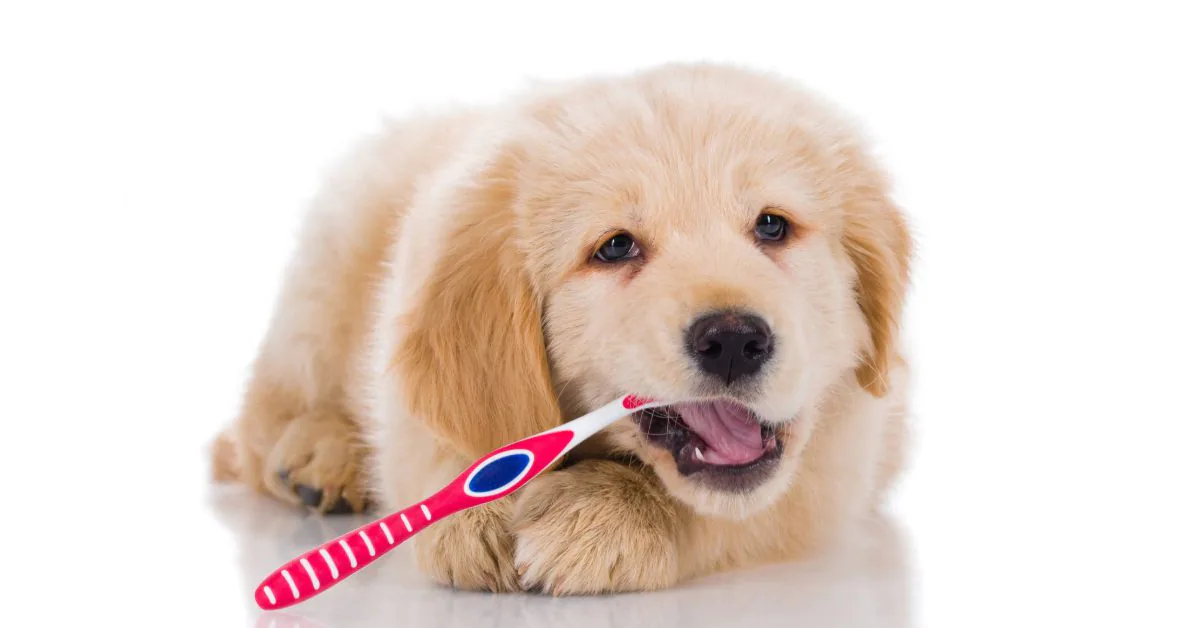
Skip the toothbrush for a week and nothing looks different. Skip it for months or years, and the consequences build up in ways most owners never expect. If you never brush your dog’s teeth at all, plaque hardens into tartar, gums become inflamed, and a dog’s mouth can end up in real pain long before any obvious symptom shows up at home. At Partners Animal Hospital Asheville, our veterinary team regularly sees dogs whose owners simply didn’t realize how much daily brushing actually matters, especially once a routine exam reveals how far things have progressed. This blog walks through what happens inside a dog’s mouth when you never brush your dog’s teeth, which specific dental problems tend to develop, and whether professional cleanings alone can make up for skipping brushing at home entirely.
How Does Plaque Turn Into Tartar on a Dog’s Teeth?
Understanding this process helps explain why the outcome looks so different for a dog whose owner brushes regularly compared to a dog whose owner has gone years without picking up a toothbrush at all.
The First 24 to 72 Hours
Plaque, a soft, sticky film made up of bacteria and food particles, begins forming on a dog’s teeth within hours of eating. If it isn’t disturbed by brushing or natural chewing, this soft plaque starts hardening into tartar within roughly two to three days. Once tartar forms, it bonds to the tooth surface and can no longer be removed by brushing alone, which is exactly the point where the consequences of skipping brushing start to compound.
Why Saliva and Bacteria Combine So Quickly
A dog’s mouth is naturally full of bacteria, and saliva provides the moisture and minerals that allow plaque to mineralize into tartar so efficiently. If you never brush your dog’s teeth, this process gets a constant, uninterrupted runway, since nothing is regularly disrupting the bacterial film before it hardens. Chewing on toys or kibble helps somewhat, but it rarely reaches every tooth surface the way a toothbrush can.
What Influences How Quickly Tartar Forms
A few factors affect how fast this buildup progresses in an individual dog, which is worth knowing even if you already know you never brush your dog’s teeth and want a realistic picture of where things stand:
- Breed and mouth shape, with small and brachycephalic dogs often accumulating tartar faster due to crowded teeth
- Diet, since dogs eating mostly soft or wet food get less natural abrasive action than dogs who also eat kibble
- Age, as older dogs tend to have more established tartar even without a change in daily habits
- Saliva composition, which varies somewhat between individual dogs and can influence how quickly minerals bond to plaque
What Dental Problems Can Develop Without Regular Brushing?
Once tartar has hardened along the gumline, a predictable chain of dental problems tends to follow when you never brush your dog’s teeth and nothing else steps in to slow it down.
Gingivitis and Early Gum Disease
Gingivitis, inflammation of the gum tissue, is usually the first noticeable problem to appear when you never brush your dog’s teeth or give a dog any other form of regular dental care. The gums appear red and slightly swollen along the tooth line, and while this stage is still reversible with professional care, it rarely resolves on its own without intervention. Many owners don’t notice this stage at all, since a dog can look and act completely normal while gingivitis is already present.
Periodontal Disease and Tooth Loss
Left untreated, gingivitis advances into periodontal disease, a more serious condition involving damage to the bone and ligaments that hold teeth in place. If you never brush your dog’s teeth and also skip professional cleanings, your dog is especially likely to reach this stage, which can ultimately result in loose or lost teeth. By the time periodontal disease is visible without a dental exam, meaningful damage has usually already occurred beneath the gumline, often affecting more than one tooth at a time.
How Oral Bacteria Can Affect Other Organs
Dental disease doesn’t necessarily stay confined to the mouth, and this is one of the bigger reasons veterinarians push back when owners assume it’s fine to never brush your dog’s teeth as long as your dog still seems happy and active:
- Bacteria from infected gums can enter the bloodstream and circulate to other parts of the body
- Chronic oral infection has been associated with added strain on organs including the heart and kidneys over time
- Painful teeth can lead to reduced appetite or reluctance to chew, which may affect a dog’s nutrition
- Persistent inflammation in the mouth can make a dog generally less comfortable day to day, even without an obvious flare-up
If you never brush your dog’s teeth, none of these outcomes is guaranteed, but the risk climbs considerably compared to a dog with a consistent home care routine, and the combination of several factors at once tends to accelerate things further.
Can Professional Dental Cleanings Make Up for Not Brushing a Dog’s Teeth?
Professional cleanings play an essential role, but they aren’t a complete substitute for what daily brushing accomplishes quietly between visits.
What a Professional Cleaning Can Reset
A professional cleaning under anesthesia removes hardened tartar above and below the gumline, something brushing alone can never accomplish once tartar has already formed and bonded to the tooth. This gives a dog’s mouth a genuine reset, but that clean slate doesn’t last indefinitely if you never brush your dog’s teeth once the cleaning is done. Within a matter of weeks, plaque begins the same buildup process all over again.
Why Brushing Still Matters Between Visits
Without regular brushing after a cleaning, plaque begins accumulating again almost immediately, and tartar can start reforming within days. If you never brush your dog’s teeth between professional visits, you’ll likely need cleanings more frequently than an owner with a consistent at-home routine, which adds up in both cost and anesthesia exposure over a dog’s lifetime. Brushing is what stretches the time between those cleanings and keeps each one less involved.
Simple Ways to Start Brushing at Home
Starting a brushing habit doesn’t require perfection right away, and it’s never too late to reverse course even for an owner who has gone years without picking up a toothbrush:
- Begin with short sessions using a finger brush or soft-bristled dog toothbrush and a dog-safe toothpaste
- Aim for three to four times per week rather than daily perfection, since consistency matters more than frequency
- Pair brushing with a treat or praise so the dog begins to associate it with something positive
- Combine brushing with vet-approved dental chews for extra support between sessions
It’s Not Too Late to Start Brushing
Even if you have never brushed your dog’s teeth before, it’s not too late to start, especially alongside a professional cleaning to clear away existing tartar first. Introducing brushing gradually, with patience and short sessions, works far better than expecting an older dog to tolerate a full routine right away. Our team at Partners Animal Hospital Asheville is happy to walk you through brushing technique during a regular visit, since a quick demonstration often makes the habit far less intimidating to start. Owners are often surprised at how quickly a dog adjusts once the brushing routine becomes familiar. Whatever stage your dog’s dental health is currently at, starting to brush rather than continuing to never brush your dog’s teeth is one of the simplest ways to slow future damage and protect their comfort for years to come. Call us at (828) 333-7356 or book an appointment online today.
Recent Posts
About Us
At Partners Veterinary Group, we believe in energizing our team members through shared values, while helping them create value for our clients and patients. Knowing we can help make pets’ and people’s lives better motivates us to continually strive for excellence and love what we do.
Our team consistently works to build educational, supportive, and cooperative work environments that cater to positive experiences and professional growth. We’re constantly evolving, creating innovative ways to deliver cutting-edge medicine to our patients. We equip our teams with tools to enhance their skills and improve their knowledge.