
How Often Should My Pet Have a Dental Cleaning?
Most dogs and cats benefit from a professional dental cleaning once a year, though the exact answer to how often pets should have dental cleanings depends on breed, age, and individual oral health. At Partners Animal Hospital in Asheville, NC, our veterinarians typically recommend an annual cleaning for adult pets, with more frequent visits for pets prone to periodontal disease. Understanding how often pets should have dental cleanings helps pet owners stay ahead of pain, infection, and costly extractions down the road. This blog breaks down the factors that influence cleaning frequency, what pet owners can do at home, and the warning signs that mean a visit to Partners Animal Hospital Asheville shouldn’t wait.
What Factors Affect How Frequently a Pet Needs a Dental Cleaning?
There isn’t a single answer that fits every pet when it comes to how often pets should have dental cleanings, because so much depends on the individual animal. Our veterinarians at Partners Animal Hospital Asheville evaluate several factors during wellness visits to determine the right schedule for each patient.
Breed, Age, and Mouth Structure
Small and toy breeds, such as Yorkies, Chihuahuas, and Dachshunds, often have crowded teeth that trap plaque more easily, meaning how often pets should have dental cleanings for these breeds may be more frequent than for larger dogs. Senior pets are also more prone to periodontal disease and may need cleanings closer together, while younger pets with healthy teeth may go longer between visits. Cats aren’t exempt either, feline patients commonly develop a painful condition called tooth resorption, which can accelerate the timeline for a professional cleaning regardless of age.
- Small and toy breeds: Crowded teeth create more surface area for plaque to hide, often requiring cleanings closer to every six to nine months.
- Senior pets: Age-related gum recession and years of accumulated tartar typically shorten the interval between cleanings.
- Large and giant breeds: More spacing between teeth can mean fewer plaque traps, sometimes allowing longer intervals if home care is consistent.
Diet, Chewing Habits, and Genetics
Diet and chewing habits also factor into how often pets should have dental cleanings. Pets that chew on hard toys or eat kibble formulated for dental health may naturally reduce tartar buildup compared to pets on soft food diets, since the mechanical action of chewing helps scrape plaque off the tooth surface before it has a chance to harden. Genetics play a role too. Some pets are simply predisposed to faster plaque and tartar accumulation regardless of care routine, which is one reason our team at Partners Animal Hospital Asheville recommends an oral exam at every annual visit, even if a cleaning isn’t due yet.
Catching early tartar buildup or gum inflammation during a routine exam allows our veterinary team to adjust the cleaning schedule proactively rather than reactively. For pets with a history of dental disease, Partners Animal Hospital Asheville may recommend cleanings every six to nine months instead of the standard yearly interval, since untreated plaque can progress to painful periodontal disease within months. Overall health also plays into how often pets should have dental cleanings, since pets managing conditions like diabetes or immune disorders may be more susceptible to oral infection and benefit from closer monitoring.
Can Daily At-Home Dental Care Reduce the Need for Professional Cleanings?
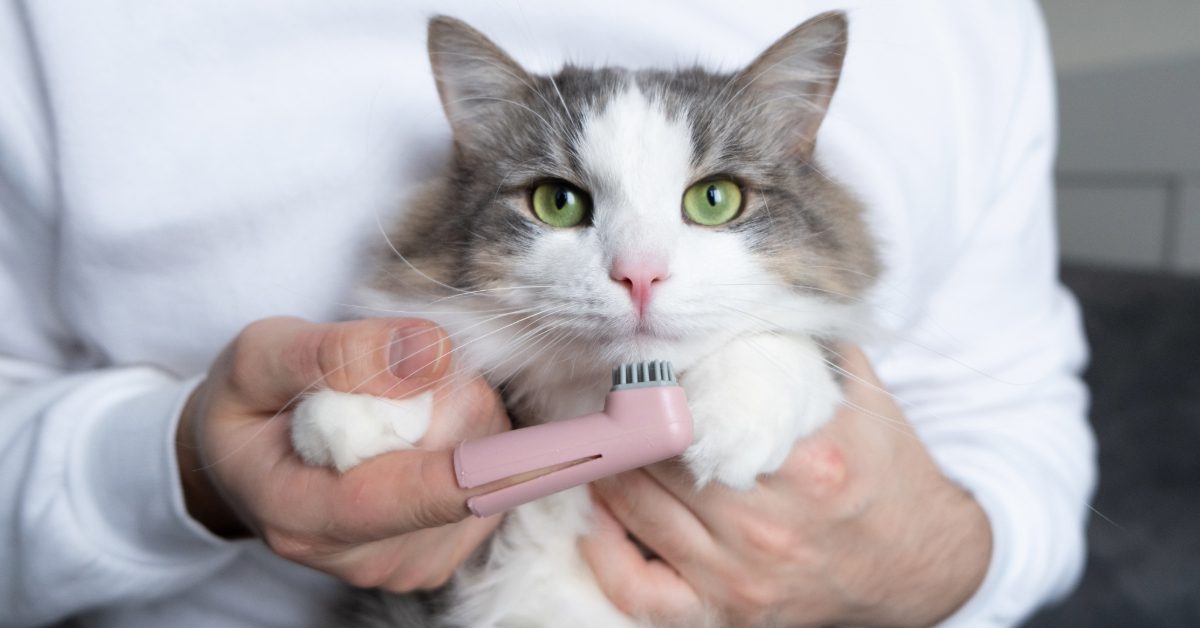
At-home dental care plays a meaningful role in how often pets should have dental cleanings, though it doesn’t eliminate the need for professional visits entirely. Daily brushing remains the gold standard for slowing plaque buildup between cleanings.
Daily Brushing and Dental Products
Consistent home care can stretch the interval between professional cleanings for many pets, but it works best as a complement to veterinary visits rather than a substitute. Here’s what tends to make the biggest difference:
- Daily brushing: Pet owners who brush their pet’s teeth daily with a pet-safe toothpaste often see less tartar accumulation, which can influence how often pets should have dental cleanings over the pet’s lifetime.
- Dental chews and treats: Products with the Veterinary Oral Health Council (VOHC) seal of approval are formulated to mechanically reduce plaque during chewing.
- Water additives and dental diets: These can support oral health passively, especially for pets that resist brushing or chewing.
Why Home Care Isn’t a Full Substitute
Even with excellent home care, plaque hardens into tartar within days, and tartar cannot be removed with a toothbrush alone. This is why our team at Partners Animal Hospital Asheville emphasizes that home care extends the time between cleanings but doesn’t replace them. Pets with consistent home dental routines may only need a professional cleaning once every 12 to 18 months, while pets without any home care often need cleanings closer to the annual mark. The honest answer to how often pets should have dental cleanings usually reflects a combination of genetics, home care consistency, and how closely an owner monitors for early warning signs between visits.
What Signs Suggest Your Pet May Be Due for a Dental Cleaning?
Beyond a set schedule, certain symptoms are a clear signal that it’s time to reconsider how often pets should have dental cleanings for a specific pet. Pet owners who notice these signs shouldn’t wait for the next annual visit.
Common Warning Signs to Watch For
- Persistent bad breath: While pet breath is rarely minty fresh, a sudden or worsening odor often points to bacterial buildup beneath the gumline.
- Visible tartar or discolored teeth: Yellow or brown buildup along the gumline is a strong indicator that plaque has hardened past the point at-home care can remove.
- Changes in eating habits: Dropping food, chewing on one side of the mouth, or a sudden preference for soft food can signal dental pain.
When to Call Partners Animal Hospital Sooner
Other signs include red or swollen gums, drooling more than usual, or pawing at the face. Any of these symptoms warrant a call to Partners Animal Hospital Asheville rather than waiting for the pet’s next scheduled wellness visit. Veterinarians often find that pets showing these signs need cleanings sooner than the typical annual interval, since untreated dental disease can affect a pet’s overall health, including the heart, kidneys, and liver. Some pets are also skilled at hiding discomfort, which means a pet owner may not notice anything unusual even as disease progresses beneath the gumline. This is part of why routine exams matter as much as watching for obvious symptoms when deciding how often pets should have dental cleanings. Paying attention to these cues is one of the most reliable ways pet owners can judge how often pets should have dental cleanings for their individual pet, rather than relying on a generic timeline.
Protecting Your Pet’s Long-Term Health Through Regular Dental Care
Dental disease is one of the most common, and most preventable, health issues veterinarians see in dogs and cats. Understanding how often pets should have dental cleanings gives pet owners a practical framework for protecting their pet’s teeth, gums, and overall wellbeing over the course of their life. While annual cleanings are a reasonable starting point for most healthy adult pets, factors like breed, age, home care habits, and visible symptoms all shape the ideal schedule for each individual animal.
Our team at Partners Animal Hospital works with pet owners in Asheville, NC to build a dental care plan tailored to their pet’s specific needs, rather than applying a one-size-fits-all approach. Since how often pets should have dental cleanings can shift over a pet’s lifetime, our team encourages owners to treat the annual wellness exam as the checkpoint where that schedule gets reassessed. Scheduling regular oral exams alongside professional cleanings gives pets the best chance at avoiding painful, expensive dental disease down the road, and helps catch problems while they’re still simple and affordable to treat. Contact Partners Animal Hospital Asheville at (828) 333-7356 or book an appointment online and schedule a dental exam today.
Recent Posts
About Us
At Partners Veterinary Group, we believe in energizing our team members through shared values, while helping them create value for our clients and patients. Knowing we can help make pets’ and people’s lives better motivates us to continually strive for excellence and love what we do.
Our team consistently works to build educational, supportive, and cooperative work environments that cater to positive experiences and professional growth. We’re constantly evolving, creating innovative ways to deliver cutting-edge medicine to our patients. We equip our teams with tools to enhance their skills and improve their knowledge.