

Feline Dental Health: Why Fall Is a Great Time for a Checkup
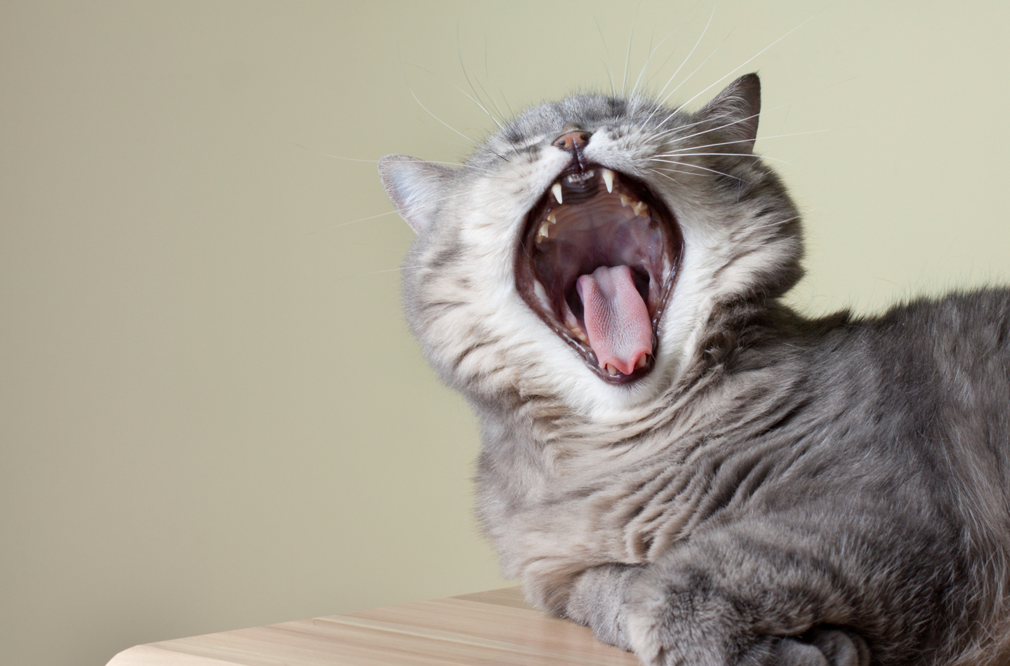
Fall is a great time for a feline dental health checkup because cooler weather often brings routine wellness visits back to the top of a busy household’s to-do list, making it a natural checkpoint before the holidays. At Partners Animal Hospital in Asheville, NC, our veterinarians often see an uptick in cat owners scheduling checkups once summer travel and outdoor activity slow down. Feline dental health tends to get overlooked for much of the year, since cats are experts at masking discomfort, which makes a dedicated fall exam especially valuable. This blog explains why cats hide dental pain so effectively, what veterinarians look for during a feline dental checkup, and how a fall visit can help catch problems before they become serious.
Why Can Cats Hide Signs of Dental Pain?
Cats are instinctively skilled at concealing pain, a trait rooted deeply in their evolutionary history as both predator and prey. In the wild, showing weakness could make a cat vulnerable to predators or rivals, so cats developed a tendency to mask discomfort rather than display it openly. This instinct still shapes feline dental health today, since a cat in ongoing pain often continues eating, grooming, and behaving normally right up until a dental problem is quite advanced.
Subtle Signs Cats Show Instead
Unlike dogs, which may paw at their mouths or whine loudly when something hurts, cats tend to suffer far more quietly. A cat with significant dental disease might simply eat a little slower or favor one side of the mouth, changes so subtle that even attentive owners can miss them. This is one of the central challenges of feline dental health: the absence of obvious symptoms doesn’t mean the absence of disease. Signs you may notice include:
- Subtle eating changes: A cat may still eat a full portion but take smaller bites or chew more deliberately on one side.
- Reduced grooming: Cats in oral pain sometimes groom less, leading to a duller or more matted coat that owners often attribute to other causes.
- Behavioral withdrawal: Some cats become quieter or less social when dealing with chronic pain, which is easy to mistake for normal aging.
Why Scheduled Exams Matter More Than Home Observation
Because these signs are so easy to overlook, feline dental health often depends more on scheduled veterinary exams than on owners catching symptoms at home on their own. Partners Animal Hospital Asheville recommends treating the annual or biannual dental exam as a non-negotiable part of a cat’s wellness routine, precisely because cats won’t reliably show owners when something is wrong. Even experienced, attentive cat owners can go months without noticing anything unusual, simply because a cat’s survival instincts are working against early detection at home.
What Can a Veterinarian Look for During a Cat’s Dental Checkup?
A thorough feline dental checkup goes well beyond a quick glance at the teeth. Veterinarians at Partners Animal Hospital Asheville use a combination of visual examination and hands-on assessment to evaluate the full picture of feline dental health during each visit.
The Core Elements of the Exam
The exam typically starts with an inspection of the visible teeth and gums, looking for tartar buildup, gum redness or swelling, and any obvious fractures, cracks, or missing teeth. From there, our veterinarians assess the gumline closely, since periodontal disease often begins beneath the surface where it isn’t visible during a casual look at the mouth.
- Tartar and plaque assessment: Veterinarians evaluate how much hardened tartar has accumulated and where it’s concentrated, which helps determine urgency.
- Gum health check: Redness, bleeding, or receding gums are checked closely, since these are early indicators of periodontal disease.
- Tooth resorption screening: This painful condition, common in cats, causes the tooth structure to break down and often requires dental X-rays to detect fully.
Why Tooth Resorption Needs Special Attention
Tooth resorption deserves particular attention in any discussion of feline dental health, since it affects a significant portion of adult cats and can be difficult to spot without imaging. Unlike typical cavities in humans, resorptive lesions often develop below the gumline, meaning a visual exam alone can easily miss them entirely. This is why Partners Animal Hospital Asheville may recommend dental X-rays as part of a comprehensive feline dental health evaluation, particularly for cats showing any signs of discomfort or those with a history of dental disease.
Veterinarians also assess jaw alignment, check for loose or mobile teeth, and note any unusual odors that might indicate infection. Each of these findings helps build a complete picture of a cat’s oral health and informs whether a professional cleaning, extractions, or other treatment is needed. For cats that show any sensitivity during the exam, veterinarians may also recommend blood work beforehand to ensure anesthesia can be administered safely if a cleaning or extraction turns out to be necessary.
How Can a Fall Dental Exam Help Catch Oral Health Problems Early?
Scheduling a feline dental health checkup in the fall offers several practical advantages that align well with a cat’s needs and a household’s seasonal rhythm. Partners Animal Hospital Asheville finds that fall visits often catch problems that summer’s busier schedule allowed to go unnoticed.
The Timing Advantage
One key advantage is timing relative to the calendar year. A fall checkup allows enough lead time to address any dental issues, including scheduling a professional cleaning under anesthesia, before the busier holiday season fully arrives. Addressing feline dental health concerns in October or November, rather than waiting until January, means cats can recover comfortably before a household’s schedule fills up with guests and travel.
- Pre-holiday timing: Treating dental issues in the fall avoids the scheduling crunch that often comes with winter holidays and travel.
- Seasonal behavior changes: Fall’s cooler weather and changing routines can make subtle shifts in a cat’s eating or grooming habits easier for owners to notice.
- Preventing winter progression: Untreated dental disease tends to worsen over months, so a fall exam can prevent a mild issue from becoming a painful one by spring.
A Yearly Checkpoint for Long-Term Tracking
A fall exam also gives veterinarians and pet owners a valuable, recurring checkpoint to review the past year’s changes in detail. Cats age gradually, and feline dental health can shift meaningfully within a single year, especially for senior cats or those with a history of periodontal disease. Regular fall visits create a consistent point of comparison, making it easier for our veterinary team at Partners Animal Hospital Asheville to spot trends, such as worsening tartar buildup or emerging tooth resorption, before they become urgent.
For cat owners who haven’t scheduled a dental exam recently, fall is an ideal reset point. It offers a natural pause in the calendar to prioritize feline dental health before the year winds down, giving cats the best chance at heading into winter with a comfortable, pain-free mouth. Multi-cat households in particular benefit from this seasonal rhythm, since staggering checkups in the fall makes it noticeably easier to track each cat’s individual dental history from one year to the next.
Giving Your Cat a Comfortable Start to the Season
Feline dental health deserves more attention than it typically gets, largely because cats are so good at hiding when something is wrong. A dedicated fall checkup gives pet owners a reliable way to catch problems that might otherwise go unnoticed until they become painful or complicated to treat. From subtle behavioral changes to hidden conditions like tooth resorption, a thorough veterinary exam fills in the gaps that home observation alone can’t cover.
Partners Animal Hospital in Asheville, NC encourages cat owners to schedule a fall dental checkup as part of their pet’s regular annual wellness routine. Prioritizing feline dental health this season sets cats up for a healthier, more comfortable year ahead. Call us at (828) 333-7356 or book an appointment online today.
Recent Posts
About Us
At Partners Veterinary Group, we believe in energizing our team members through shared values, while helping them create value for our clients and patients. Knowing we can help make pets’ and people’s lives better motivates us to continually strive for excellence and love what we do.
Our team consistently works to build educational, supportive, and cooperative work environments that cater to positive experiences and professional growth. We’re constantly evolving, creating innovative ways to deliver cutting-edge medicine to our patients. We equip our teams with tools to enhance their skills and improve their knowledge.