
What to Expect at Your Pet’s First Vet Visit
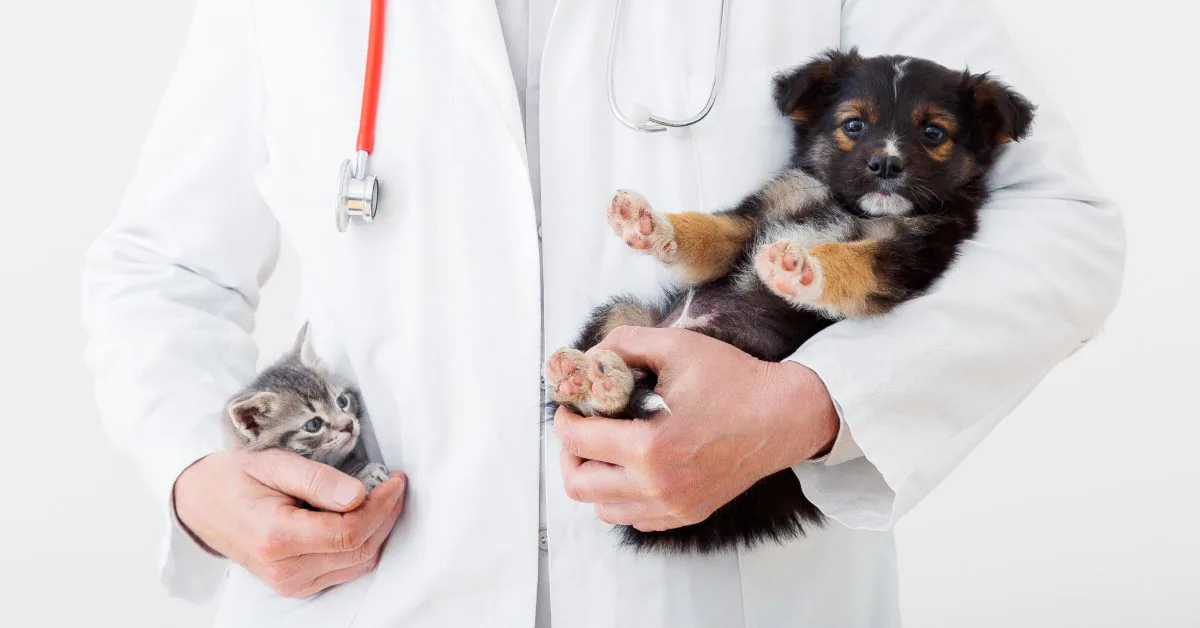
Your pet’s first vet visit is one of the most important steps you can take toward a long, healthy life together. At Partners Animal Hospital Asheville, we want that first appointment to feel warm, reassuring, and productive, not stressful. A first vet visit typically includes a full physical exam, a review of your pet’s health history, core vaccinations, parasite screening, and a conversation about nutrition and preventive care. Whether you just brought home a new puppy, a rescue kitten, or an adult pet you’ve had for years but are seeing a vet for the first time, knowing what to expect makes all the difference.
Why a First Vet Visit Matters
A first vet visit isn’t just a formality, it’s the foundation of your pet’s lifelong health plan. This appointment gives our veterinary team at Partners Animal Hospital Asheville the opportunity to establish a health baseline for your pet, catch any underlying conditions early, and build a relationship with both you and your animal. Early detection is one of the most powerful tools in veterinary medicine, and it starts right here.
Many new pet owners wonder, “When should I take my new pet to the vet?” The short answer: as soon as possible, ideally within the first week of bringing your pet home. Puppies and kittens should see a vet between 6 and 8 weeks of age to begin their vaccination schedule. Adult and senior pets new to your household should be seen promptly to rule out any pre-existing health concerns.
What Happens During a First Vet Appointment
When you arrive at Partners Animal Hospital Asheville, our team will greet you and your pet and collect some basic health information. Here is a step-by-step look at what a first vet appointment typically includes.
Health History and Intake
Your veterinarian will ask about your pet’s background: where they came from, any known medical history, diet, behavior, and lifestyle. If you have records from a breeder, shelter, or previous vet, bring those along. The more information your vet has, the better equipped they are to provide personalized care.
The Physical Exam
A comprehensive nose-to-tail physical exam is the centerpiece of your pet’s first visit. Your vet will check your pet’s eyes, ears, teeth, skin, coat, heart, lungs, lymph nodes, abdomen, and musculoskeletal system. This hands-on assessment helps identify anything that needs attention and establishes a baseline for future visits.
Vaccinations
Core vaccinations protect your pet against some of the most serious and contagious diseases. For puppies, that typically means vaccines for distemper, parvovirus, leptospirosis and rabies. For kittens, the feline viral rhinotracheitis, calicivirus and panleukopenia (FVRCP) combo vaccine and rabies are standard. Your vet will recommend a vaccination schedule tailored to your pet’s age, species, and lifestyle including whether they go outdoors, interact with other animals, or visit dog parks and boarding facilities.
Parasite Testing and Prevention
Your vet will likely test for intestinal parasites using a fecal sample and check for heartworm with a blood test (especially important in the Asheville area, where mosquito season is year round). You’ll also discuss flea, tick, and heartworm prevention options that fit your pet’s lifestyle and your preferences.
Spay and Neuter Discussion
If your pet hasn’t been spayed or neutered, your vet will discuss the timing and benefits during the first visit. This is an important conversation that considers your pet’s breed, age, and overall health.
What to Bring to Your Pet’s First Vet Visit
Coming prepared helps your veterinarian make the most of the appointment and gives your pet the best possible start. Here’s what to gather before you go:
- Any medical records, vaccine history, or documentation from a breeder, shelter, or rescue
- A fresh fecal sample (collected within 24 hours if possible) in a sealed plastic bag
- A list of any medications, supplements, or foods your pet currently takes
- Your pet’s current food brand and feeding schedule
- Questions you want to ask as there are no small concerns when it comes to your pet’s health
How to Prepare Your Pet for Their First Vet Visit
A little preparation goes a long way toward making your pet’s first vet visit a calm experience. For dogs, a short car ride or two beforehand can reduce travel anxiety. For cats, leaving the carrier out at home so they can explore it before the appointment helps reduce stress on the big day. Bring your pet on an empty stomach if your vet recommends it, especially if bloodwork or sedation is a possibility.
Tips for Reducing Pet Anxiety
Anxiety at the vet is common, especially for pets who aren’t used to new environments or handling. You can help by speaking calmly, using a familiar blanket or toy for comfort, and avoiding high-energy or rushed arrivals. At Partners Animal Hospital Asheville, our team uses gentle handling techniques and a Fear Free approach to help pets feel safe and comfortable throughout their visit.
What to Expect After the First Vet Visit
After your pet’s first vet visit, your veterinarian will walk you through a personalized care plan. This typically includes a recommended vaccination schedule, a parasite prevention protocol, dietary guidance, and a timeline for follow-up visits.
You may leave with a prescription, preventive medications, or printed instructions depending on what was found during the exam. Don’t hesitate to call Partners Animal Hospital Asheville if questions come up once you’re home. That’s exactly what we’re here for.
Follow-Up Visits and Wellness Schedules
Puppies and kittens need a series of booster vaccines in the weeks following their first visit, so you’ll be scheduling return appointments before you leave. Adult pets generally follow an annual wellness exam schedule, while senior pets benefit from twice-yearly checkups to monitor age-related changes.
Common Questions About a First Pet Vet Visit
New pet owners come to us with a lot of questions, and we love that. Here are some of the most common ones our team hears.
How much does a first vet visit cost?
The cost of a first vet visit varies depending on your pet’s age, species, the services provided, and your location. At Partners Animal Hospital Asheville, we believe in transparent pricing and will walk you through expected costs before your appointment. Many pet owners also ask whether pet insurance is worth it and in many cases, it can make routine and unexpected veterinary care more manageable.
What if my pet is scared or aggressive at the vet?
This is more common than you might think, and it’s nothing to be embarrassed about. Let our team know in advance if your pet has anxiety or has had difficult vet experiences in the past. Our team is Fear Free Certified, and can take extra time, adjust our approach, or discuss calming options to help your pet have a better experience. Building a positive association with vet visits early on makes a real difference long-term.
Do I need to bring my pet in on a leash or in a carrier?
Yes, always. Dogs should arrive on a leash for their safety and the safety of other patients. Cats and small animals should come in a secure, escape-proof carrier. This protects everyone in the waiting area and helps your pet feel more contained and secure.
Your Pet’s Health Journey Starts Here
At Partners Animal Hospital Asheville, we take your pet’s first vet visit seriously because we know it sets the tone for everything that follows. Our goal is to make you feel supported, informed, and confident as a pet owner, and to give your pet the attentive, compassionate care they deserve from day one.
Ready to schedule your pet’s first visit? Call Partners Animal Hospital Asheville at (828) 333-7356 or book an appointment online today. Our team is here to answer your questions, ease your concerns, and welcome your newest family member.
Recent Posts
About Us
At Partners Veterinary Group, we believe in energizing our team members through shared values, while helping them create value for our clients and patients. Knowing we can help make pets’ and people’s lives better motivates us to continually strive for excellence and love what we do.
Our team consistently works to build educational, supportive, and cooperative work environments that cater to positive experiences and professional growth. We’re constantly evolving, creating innovative ways to deliver cutting-edge medicine to our patients. We equip our teams with tools to enhance their skills and improve their knowledge.